Breast augmentation is a cosmetic surgical procedure designed to increase breast volume, improve shape, and address differences in breast size. Whether you are researching breast implants after changes in breast volume or exploring options for a fuller appearance, understanding the procedure, costs, and recovery process is essential before deciding.
Dr Cheema, an internationally trained plastic, reconstructive, and aesthetic surgeon based in Birmingham, provides information about breast augmentation and other surgical treatments. If you are considering breast augmentation in Manchester or elsewhere in the UK, learning about implant types, surgical techniques, potential risks, and aftercare can help you prepare for a consultation and make an informed decision.
What Is Breast Augmentation?
Breast augmentation, also called breast enlargement, involves placing implants inside the breasts to increase volume or alter their shape. The procedure may also help address differences in breast size or restore fullness following pregnancy, breastfeeding, or weight changes.
Breast augmentation is a personal decision, and results vary according to factors such as natural breast anatomy, implant selection, skin elasticity, and surgical technique. A consultation allows your surgeon to assess your suitability and discuss what may realistically be achieved.
Some patients choose implants for increased volume, while others prefer a more subtle change that complements their natural proportions. Your surgeon can explain the available options and help you understand the potential benefits and limitations of surgery.

Types of Breast Implants
Choosing the appropriate implant is an important part of breast augmentation planning. Implants differ in their filling material, shape, size, and profile. Your surgeon will recommend options based on your anatomy, preferences, and medical considerations.
1. Silicone Breast Implants
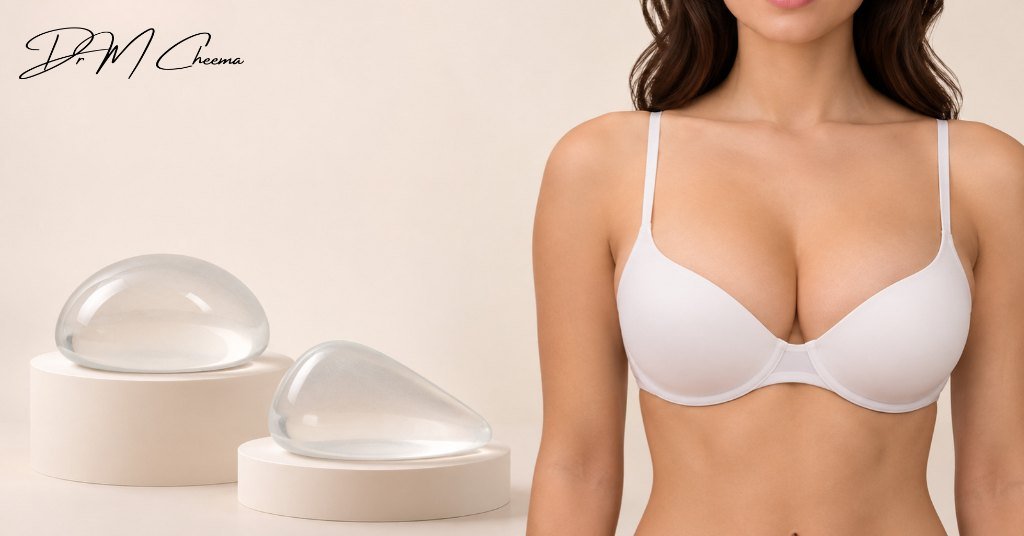
Silicone implants contain silicone gel and are commonly used in breast augmentation. Many patients choose them because the gel can provide a natural-looking contour and feel.
Silicone implants are available in different sizes, profiles, and shapes. However, they can rupture without obvious external changes, so it is important to understand the recommended monitoring arrangements and possible need for future surgery.
2. Saline Breast Implants
Saline implants contain sterile salt water. If an implant ruptures, the saline is generally absorbed by the body, and the affected breast typically loses volume.
Saline implants may have a different feel and appearance from silicone implants and can be more prone to visible rippling in some patients. Availability and suitability depend on the products offered and the surgeon’s recommendations.
3. Round and Teardrop Implants
Round implants provide fullness throughout the breast and may create greater upper-breast fullness, depending on their size and placement.
Teardrop-shaped implants are designed with a more sloped contour. The final appearance depends on implant dimensions, positioning, and the patient’s natural breast shape.
Neither shape is automatically better for everyone. Your surgeon can explain the differences and recommend an option based on your desired outcome and anatomy.
4. Choosing the Right Implant Size
Implant size is usually measured in cubic centimetres rather than cup sizes. The same implant can look different on two people because breast width, chest proportions, existing tissue, and skin elasticity all influence the result.
During your consultation, your surgeon may use measurements, implant samples, or sizing techniques to help you understand the available options. Choosing an implant that suits your anatomy is important for achieving a balanced result and reducing avoidable complications.
How Much Does Breast Augmentation Cost in Manchester?
The cost of breast augmentation in Manchester depends on the surgeon, hospital or clinic, implant type, surgical complexity, and aftercare arrangements.
The NHS indicates that private breast enlargement in the UK commonly costs approximately £3,500 to £8,000, although prices vary and the figure may not include consultations or follow-up care. You should request an individualised quote rather than relying on a general price range.
What Does the Price Include?
Before choosing a clinic, check whether the quoted price includes:
- The surgeon’s fee.
- Breast implants and associated materials.
- Anaesthesia.
- Hospital or clinic charges.
- Initial consultations and preoperative assessments.
- Postoperative appointments.
- Support garments and dressings, where applicable.
- The arrangements for managing complications.
- Any additional treatment or revision surgery.
Some clinics advertise lower initial prices but charge separately for essential elements of treatment. Ask for a written breakdown so you can compare the overall costs fairly.
Is Cheaper Breast Augmentation Better?
Price should not be the only factor when choosing a surgeon. Breast augmentation is an operation with potential complications, and the quality of the consultation, surgical planning, facilities, and follow-up care matters.
Check your surgeon’s qualifications and relevant experience and confirm that the clinic or hospital is appropriately registered. You should also understand who will provide aftercare and whom to contact if you experience a problem.
What Happens During Breast Augmentation Surgery?
Breast augmentation is generally performed under general anaesthesia. The operation commonly takes around one to two hours, although the duration depends on the surgical technique and individual circumstances.
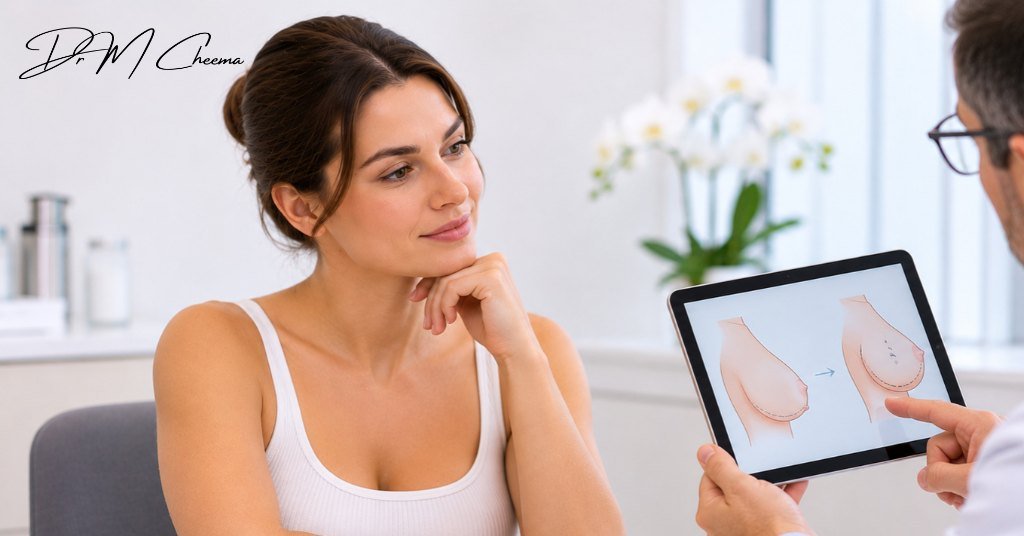
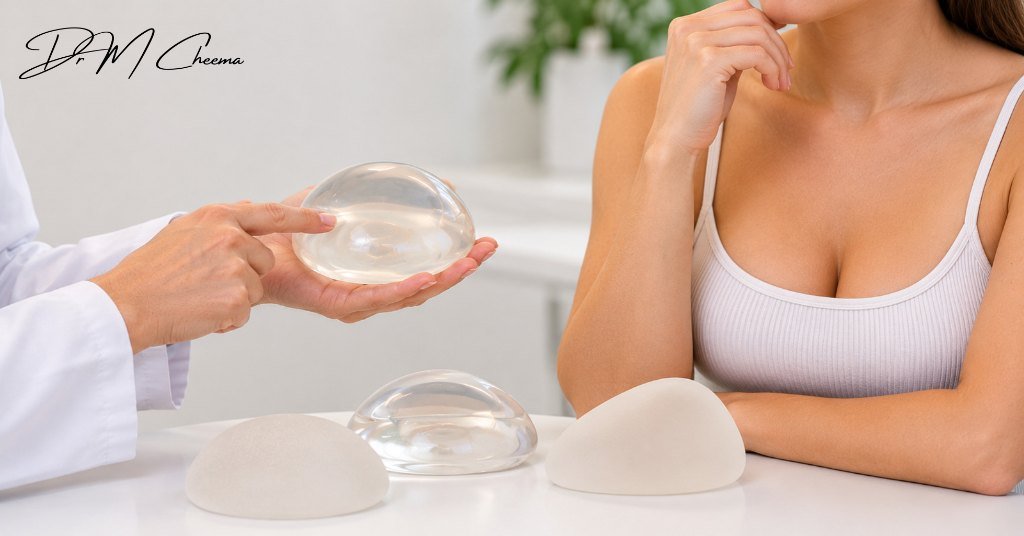
Before surgery, your surgeon will review your medical history, examine your breasts, discuss your expectations, and explain the available implant options. You should have an opportunity to ask questions about the procedure, risks, and recovery.
During surgery, the surgeon makes an incision, commonly beneath the breast, and creates a space for the implant. The implant may be placed beneath the breast tissue or partially or fully beneath the chest muscle, depending on the chosen technique and your anatomy.
The incision is then closed, and dressings or a support garment may be applied. Many patients return home on the same day, although an overnight stay may sometimes be necessary.
Your surgeon will provide instructions for the days before surgery, including guidance about medications, smoking, eating, drinking, and arranging transport home.
Schedule Your Breast Augmentation Appointment
Ready to explore your breast augmentation options? Discuss your expectations, implant choices, and suitable treatment approaches with Dr Cheema. Take the next step by arranging an appointment to learn more about your options.
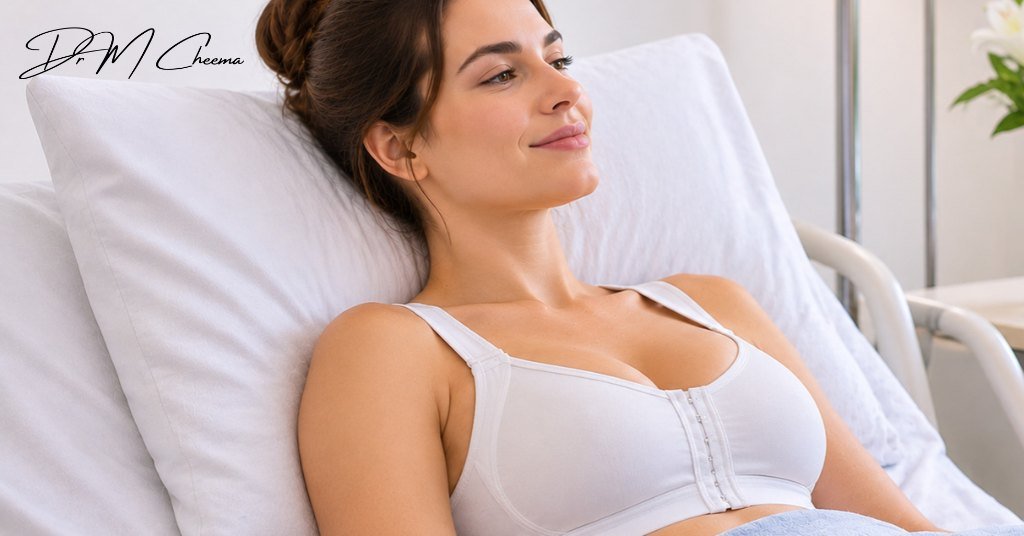
Breast Augmentation Recovery and Aftercare
Recovery is an important part of the treatment journey. Although many patients can gradually resume light daily activities relatively soon after surgery, complete recovery takes longer and varies between individuals.
Following your surgeon’s aftercare instructions helps support healing and allows your surgical team to monitor your progress.
The First Few Days
Swelling, bruising, tenderness, and tightness around the breasts are common after surgery. Your surgeon may recommend prescribed pain relief and a suitable support garment.
Rest, follow your wound-care instructions, and avoid strenuous activity. You should also arrange for someone to help you during the initial recovery period, particularly if you need assistance with daily tasks.
The First Two Weeks
Discomfort and swelling should gradually improve, although some symptoms may persist. Your surgeon will advise when you can return to work, drive, and resume ordinary activities.
Do not drive while taking medication that affects alertness or while you cannot comfortably and safely control the vehicle. You should be able to perform an emergency stop without pain before returning to driving.
Attend your scheduled follow-up appointments and contact your surgical team if you have concerns about your healing.
Weeks Three to Six
Activity can usually increase gradually as recovery progresses, but strenuous exercise and heavy lifting should remain restricted until your surgeon confirms that they are safe.
Your breasts may initially sit higher or feel firmer than expected. Their appearance can change as swelling settles and the implants adjust to their position.
Avoid comparing your early results with the expected outcome. Healing takes time, and your surgeon can explain what changes are normal during recovery.
Long-Term Aftercare
Breast implants are not lifetime devices. They may require further monitoring, removal, replacement, or revision surgery in the future.
Continue routine breast health checks and attend recommended screening appointments. Tell the healthcare professional performing a mammogram that you have implants so the appropriate imaging technique can be used.
How to Choose a Breast Augmentation Surgeon
Choosing a suitably qualified surgeon is one of the most important steps in planning breast augmentation.
If you are researching breast augmentation in Manchester, take time to review the surgeon’s qualifications, specialist registration, experience in breast surgery, and approach to patient care. In England, you can check a doctor’s registration through the General Medical Council and verify whether the hospital or clinic is registered with the Care Quality Commission where applicable.
During your consultation, consider asking:
- What qualifications and experience do you have in breast augmentation?
- Which implant type and size would you recommend, and why?
- Where would the implant be placed?
- What results are realistic for my anatomy?
- What are the potential risks and complications?
- How long should I expect recovery to take?
- What follow-up care is included?
- What happens if I experience a complication?
- What future monitoring or implant-related costs should I expect?
You should receive clear answers and enough time to consider your decision. Avoid feeling pressured into surgery or selecting a provider based only on promotional offers.
Explore Breast Augmentation with Dr Cheema
If you are considering breast augmentation in Manchester or elsewhere in the UK, understanding implant options, costs, risks, and aftercare is an important starting point. A personalised consultation can help you explore the available techniques and determine what may be suitable for your individual circumstances.
Dr Cheema is a plastic, reconstructive, and aesthetic surgeon based in Birmingham. His website provides information about breast augmentation, including implant options and the treatment process. Explore the available information to learn more about the procedure and prepare questions for a consultation.
Ready to Explore Breast Augmentation?
Considering breast augmentation in Manchester? Dr Cheema provides information about implant options, surgery, and aftercare to help you make an informed decision. Explore your options and take the next step towards your treatment journey.
Frequently Asked Questions
How Much Does Breast Augmentation Cost in Manchester?
The cost varies depending on the surgeon, implant type, hospital fees, and aftercare package. UK private breast augmentation commonly falls within a broad range of approximately £3,500 to £8,000, but additional costs may apply. Request a detailed quote for your individual treatment plan.
How Long Does Breast Augmentation Surgery Take?
The procedure often takes around one to two hours. The exact duration depends on the surgical technique and whether additional procedures are performed. Your surgeon can explain the expected operating time during your consultation.
How Long Does Recovery Take?
Many patients need around one to two weeks away from work, depending on their job and recovery. Strenuous exercise and heavy lifting are usually restricted for longer. Follow your surgeon’s advice rather than relying on a fixed recovery schedule.
Which Breast Implant Is Best?
There is no single implant that is best for everyone. Silicone and saline implants have different characteristics, while size, shape, and placement affect the final appearance. Your surgeon can recommend suitable options based on your anatomy and goals.
Will Breast Implants Look Natural?
The appearance depends on implant size, shape, placement, existing breast tissue, and body proportions. Careful planning can help create a result that suits your anatomy, but individual outcomes vary.