
Breast implants can be removed for various reasons, including changes in personal preferences, concerns about implant complications, discomfort, or changes in breast shape over time. If you are considering breast implant removal, also known as explant surgery, one of the most important decisions is whether to have the implants removed alone or combine the procedure with a breast uplift. The right option depends on your breast tissue, skin elasticity, implant size, overall health, and desired outcome.
Dr Cheema, a plastic, reconstructive, and aesthetic surgeon based in Birmingham, provides information about surgical treatment options to help patients understand their choices. Although implant removal can be performed without additional surgery, some patients may benefit from a breast uplift to address loose skin, reduced firmness, or nipples that sit lower on the breast. Understanding the differences between these procedures can help you prepare for a consultation and make an informed decision about your treatment.
What Is Breast Implant Removal?
Breast implant removal, medically known as explant surgery, is a procedure to remove previously inserted breast implants. Patients may choose to remove their implants permanently or consider alternative options, such as replacing them with smaller implants or combining removal with a breast uplift.
The procedure varies according to the reason for removal, the type and position of the implants, the condition of the surrounding breast tissue, and whether additional surgery is required. Some patients have their implants removed through existing surgical incisions, while others may require a different approach based on their individual circumstances.
After implant removal, the breasts may look and feel different because the implants previously contributed to their size, projection, and shape. The extent of these changes depends on factors such as the original breast size, implant dimensions, the amount of natural breast tissue, and how much the skin has stretched.
Why Do Patients Choose Breast Implant Removal?
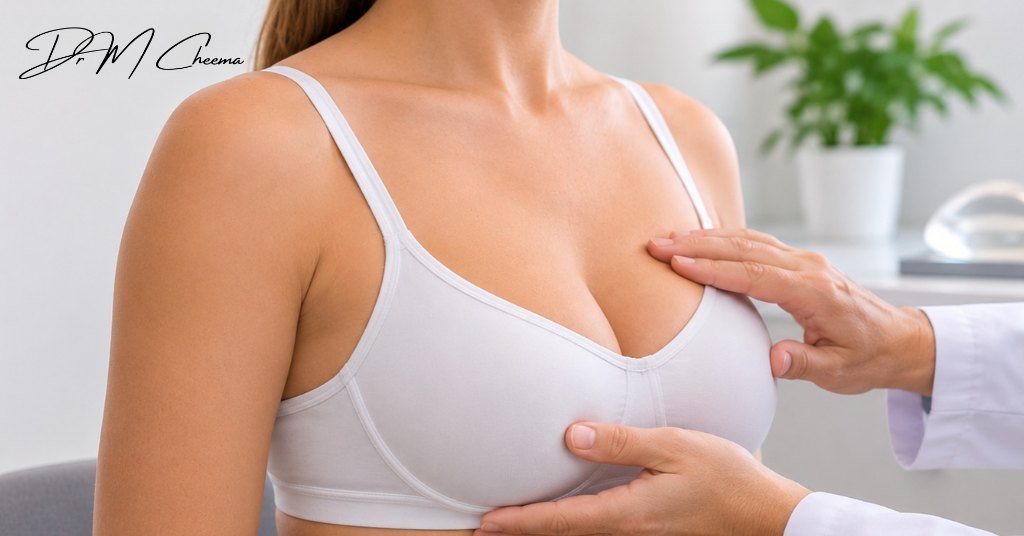
There is no single reason for choosing explant surgery. Some patients are satisfied with their implants for many years before deciding that they prefer a more natural appearance. Others experience physical symptoms or implant-related complications that require medical assessment.
Common reasons for considering breast implant removal include the following:
1. Changes in Personal Preferences
Personal preferences can change over time. Some patients who previously wanted fuller breasts may later prefer a smaller, more natural appearance. Changes in lifestyle, priorities, or aesthetic goals can influence the decision to remove implants.
2. Breast Implant Complications
Breast implants can be associated with complications that may require medical evaluation or treatment. These include implant rupture, capsular contracture, changes in breast shape, and persistent discomfort.
3. Changes in Breast Shape
Breasts naturally change with age, pregnancy, breastfeeding, and fluctuations in weight. The skin and supporting tissues may stretch, and the breasts may gradually lose firmness.
4. Discomfort or Physical Concerns
Some patients experience discomfort, tightness, or other symptoms that they associate with their breast implants. These symptoms can have different causes, so a medical assessment is important before deciding on surgery.
5. Concerns About Long-Term Implant Maintenance
Breast implants are not lifetime devices. They may require monitoring, further investigations, or additional surgery over time because of complications or changes in the surrounding tissue.
Breast Implant Removal with or Without an Uplift: What Is the Difference?
One of the main considerations when planning explant surgery is whether to remove the implants alone or combine removal with a breast uplift, also known as mastopexy.
Both approaches aim to address different needs. Implant removal eliminates the implants, while a breast uplift focuses on the position and shape of the natural breasts.
Breast Implant Removal Without an Uplift
Breast implant removal without an uplift involves taking out the implants without performing additional surgery to lift or reshape the breast skin.
This option may suit patients who have sufficient natural breast tissue, relatively good skin elasticity, and a breast shape they are comfortable maintaining after implant removal.
Following explant surgery alone, the breasts may appear smaller and less full, particularly in the upper portion. Some patients experience temporary looseness or changes in contour as the skin and tissues adjust after the implants are removed.
The final appearance depends on the original breast size, implant volume, skin quality, and the amount of natural tissue remaining. In some cases, the skin gradually adapts to the reduced breast volume, although the extent of this adjustment cannot be predicted precisely.
Potential advantages include:
- Avoiding the additional incisions associated with a breast uplift.
- Having a procedure that may be less extensive than combined surgery.
- Avoiding the additional scarring associated with mastopexy.
- Potentially having a shorter recovery than combined explant and uplift surgery.
- Achieving a smaller breast appearance without additional reshaping.
However, implant removal alone may not correct significant breast sagging or loose skin. Patients should discuss the possibility of changes in breast shape with their surgeon before proceeding.
Breast Implant Removal with a Breast Uplift
Breast implant removal with a breast uplift combines explant surgery with mastopexy. During the uplift procedure, the surgeon removes excess skin and reshapes the remaining breast tissue to improve breast position and contour. The nipple and areola may also be repositioned when appropriate.
This combination may be suitable for patients whose breasts have significant skin laxity, whose nipples sit lower on the breast, or who want to improve breast shape after implant removal.
Removing the implants reduces breast volume, while the uplift addresses excess skin and breast position. The aim is to create a breast shape that is more proportionate to the remaining natural tissue.
Potential advantages include:
- Addressing loose or excess breast skin.
- Improving the position of the breasts.
- Repositioning the nipples when clinically appropriate.
- Creating a firmer-looking breast contour.
- Addressing some of the sagging that may remain after implant removal alone.
A breast uplift involves additional incisions and scarring. It may also increase the overall operating time and recovery requirements. The procedure does not necessarily increase breast volume, and the final size depends largely on the natural breast tissue that remains.
Your surgeon can explain the likely scar pattern and whether the expected benefits of an uplift justify the additional surgery.
Explore Breast Surgery Options with Dr Cheema
Choosing between breast implant removal alone and removal with a breast uplift depends on more than personal preference. Dr Cheema, based in Birmingham, provides information about plastic, reconstructive, and aesthetic surgery through his website.
How Do You Know If You Need a Breast Uplift After Implant Removal?
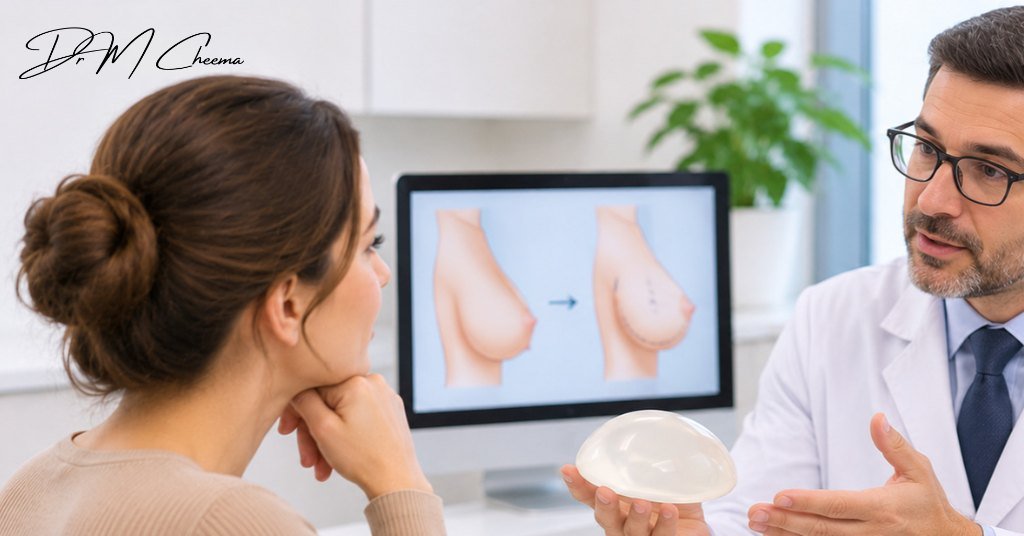
Not every patient needs a breast uplift after explant surgery. The decision depends on the condition of the breasts and the patient’s expectations.
Several factors can help your surgeon determine which approach may be suitable.
Skin Elasticity
Skin elasticity affects how well the breast skin may adapt after implant removal. Patients with relatively elastic skin may experience better natural adjustment after the implants are removed, although the outcome varies.
Amount of Natural Breast Tissue
The amount of natural breast tissue remaining after explant surgery plays an important role in determining the final appearance.
Patients with more natural breast tissue may retain a fuller shape after implant removal. Those with limited natural tissue may notice a greater reduction in breast volume or more visible skin looseness.
Breast Sagging
Breast sagging, medically known as ptosis, refers to the downward movement of breast tissue and the nipple position. It can develop due to ageing, pregnancy, breastfeeding, weight changes, and the stretching associated with larger implants.
Desired Breast Appearance
Your personal goals are also important. Some patients are happy with smaller breasts, even if they have a degree of natural looseness after implant removal. Others prefer a more lifted shape and are willing to accept additional scars to achieve it.
What Happens During Breast Implant Removal Surgery?
Breast implant removal is performed using an approach tailored to the patient’s anatomy, implant type, and medical needs. The procedure is generally carried out under general anaesthesia, although the specific anaesthetic plan depends on the operation and the clinical setting.
Before surgery, your surgeon will review your medical history, examine your breasts, and discuss the reason for implant removal. Existing medical records and imaging may help establish the type, position, and condition of the implants.
During the procedure, the surgeon makes an incision to access and remove the implants. In some cases, the existing incision can be used. The approach depends on the location of the original incision, the condition of the tissues, and any additional procedures planned.
If a breast uplift is performed at the same time, the surgeon also reshapes the breast tissue, removes appropriate amounts of excess skin, and repositions the nipple and areola when necessary.
The operation’s duration varies according to its complexity and whether additional procedures are included. Your surgeon should explain the planned technique, expected operating time, and any specific considerations before surgery.
What Is Capsulectomy?
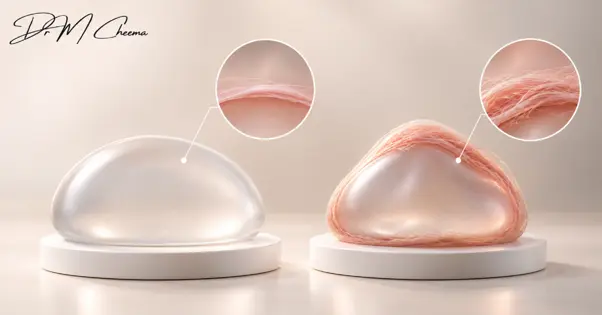
A capsule is the layer of scar tissue that naturally forms around a breast implant. This is a normal response to the presence of an implant.
A capsulectomy involves removing some or all of this scar tissue. It may be considered when there are medical indications, such as certain cases of capsular contracture or other implant-related concerns.
Capsulectomy is not automatically necessary whenever breast implants are removed. The appropriate approach depends on the capsule’s condition, the reason for explant surgery, and the potential risks associated with removing it.

Breast Implant Removal Recovery: What Should You Expect?
Recovery varies from person to person. It depends on the surgical technique, whether capsule removal or a breast uplift is performed, and how your body heals.
After surgery, you may experience swelling, bruising, tenderness, tightness, and temporary changes in breast sensation. These effects generally improve during recovery, although the timing differs between individuals.
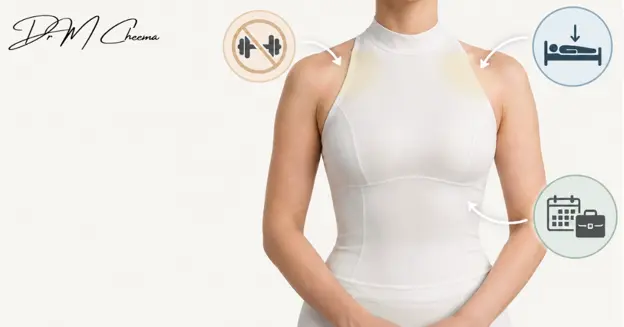
Your surgical team will provide instructions about wound care, pain relief, support garments, sleeping positions, and activity restrictions. Following these instructions can help support healing and reduce the risk of complications.
The First Few Days
During the first few days, rest is important. You may need assistance with household tasks, childcare, or other daily activities, particularly if you have undergone combined explant and uplift surgery.
Take prescribed medication according to your surgeon’s instructions and avoid strenuous activities. Keep your follow-up appointments so your healthcare team can monitor your healing.
The First Few Weeks
As recovery progresses, swelling and discomfort should gradually improve. You may be able to return to light daily activities when your surgeon considers it appropriate.
Heavy lifting, strenuous exercise, and activities that place pressure on the chest should be avoided until you receive clearance from your surgical team. Recovery may take longer when additional procedures are performed.
Longer-Term Healing
The breasts can continue to change shape as swelling settles and the tissues adjust. Scars may initially appear prominent before gradually becoming less noticeable over time, although they will not disappear completely.
If you have undergone a breast uplift, the final breast shape may take several months to become clearer. Your surgeon can explain the expected healing process and when it is appropriate to assess the results.
Take the Next Step Towards Your Breast Surgery Journey
Deciding whether to remove breast implants with or without a breast uplift is a personal choice that depends on your natural breast tissue, skin elasticity, existing breast shape, and desired results. While implant removal alone may be suitable for some patients, others may benefit from an uplift to address excess skin and improve breast position.
Understanding the potential benefits, risks, recovery requirements, and costs of each option can help you make an informed decision. Dr Cheema, based in Birmingham, provides information about plastic, reconstructive, and aesthetic surgery to help patients explore their treatment options. Visit his website to learn more and prepare for a consultation about your individual needs.
Take the Next Step Towards Your Treatment Journey
If your breast implants no longer suit your preferences or you have concerns about their condition, seeking professional advice is a useful first step. For more information about surgical services and treatment options, visit Dr Cheema’s website. An informed discussion with a qualified surgeon can help you make a decision that prioritises your health, safety, and expectations.
Frequently Asked Questions
Can I Have Breast Implant Removal Without an Uplift?
Yes. Some patients can have their implants removed without a breast uplift, particularly if they have sufficient natural breast tissue, relatively good skin elasticity, and limited sagging. However, the breasts may appear smaller, flatter, or looser after surgery. Your surgeon can assess whether removal alone is likely to meet your expectations.
Do I Need a Breast Uplift After Implant Removal?
Not necessarily. An uplift may be helpful if you have significant excess skin, sagging, or nipples that sit low on the breasts. Patients who are comfortable with a smaller breast shape may not need additional lifting surgery. The decision depends on your anatomy and personal goals.
Will My Breasts Look Empty After Implant Removal?
The appearance varies between individuals. Some patients retain a reasonable amount of natural breast volume, while others notice a flatter or less full appearance, especially in the upper breast. Your original breast size, implant dimensions, and remaining tissue all influence the outcome.
Will My Breasts Return to Their Original Shape?
Your breasts may not return to their original shape after implant removal. The skin and supporting tissues may have stretched during the time the implants were in place, and natural changes associated with ageing or pregnancy may also affect the appearance. Your surgeon can discuss the likely outcome based on your examination.
Is Breast Implant Removal a Major Operation?
Breast implant removal is a surgical procedure that may require general anaesthesia and a period of recovery. Its complexity depends on the implant position, the condition of the surrounding tissue, and whether additional surgery is needed. Combining removal with an uplift or capsulectomy may make the operation more extensive.