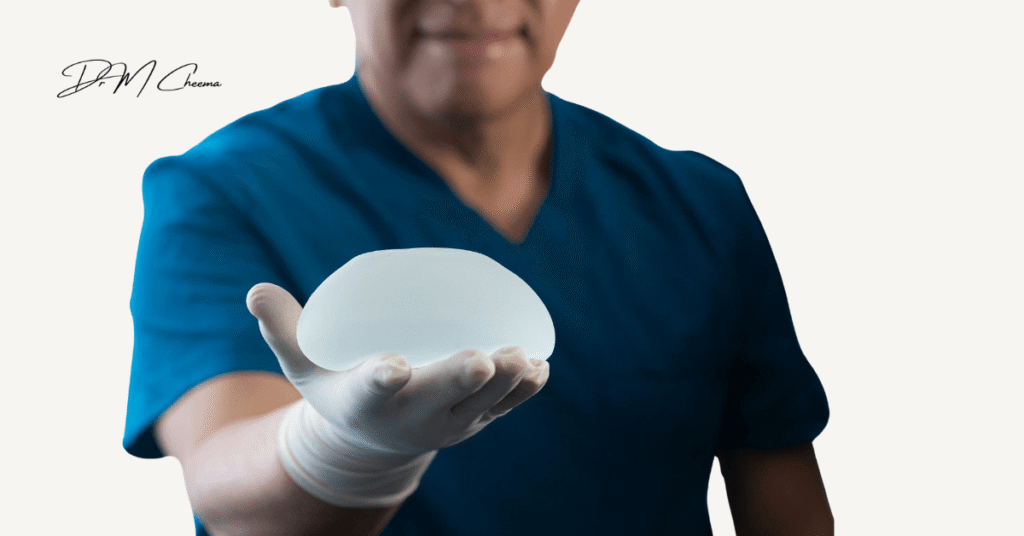
When it comes to breast augmentation, one of the first and most important decisions a patient makes is the type of implant. The choice between silicone and saline implants goes far beyond simple aesthetics. It influences how your breasts look, feel, move, and even how they change over time. Each option offers unique benefits and considerations in terms of texture, safety, cost, and maintenance.
At Mr. Cheema’s renowned Birmingham clinic, many women share the same question: “Which implant is right for me?” The truth is, there’s no one-size-fits-all answer. The best choice depends on your body shape, skin elasticity, lifestyle, and personal goals whether you want a natural feel, a fuller appearance, or minimal scarring.
In this detailed guide, we’ll explore the key differences, pros and cons, and expert insights to help you make an informed, confident decision about your breast augmentation journey. Whether you’re just starting your research or preparing for a consultation, understanding these options will empower you to choose what truly aligns with your vision of beauty and confidence.
Understanding the Basics: What Are Silicone and Saline Implants?
Silicone Implants
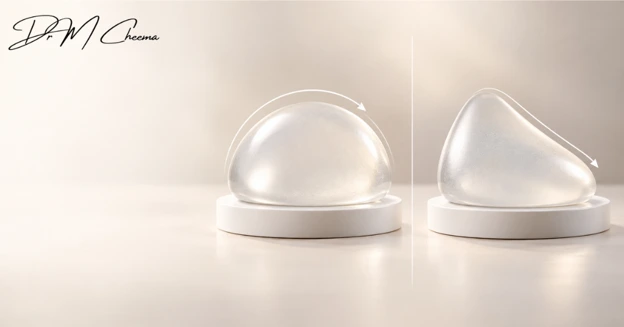
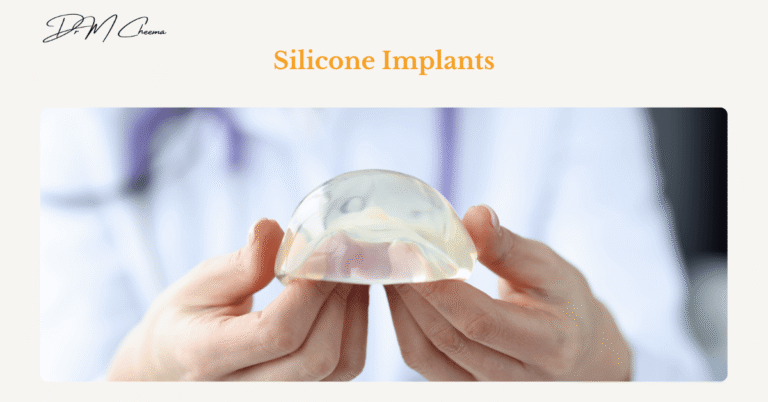
Silicone implants are filled with a cohesive silicone gel that closely mimics the natural feel of breast tissue. The outer shell is made of durable silicone, and the inside is filled before insertion. Modern “gummy bear” implants use thicker, form-stable gel that holds its shape even if cut or compressed offering a soft but structured result.
Saline Implants
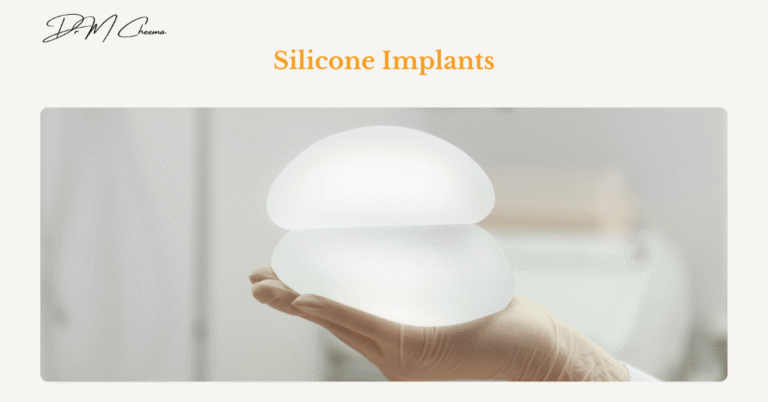
Saline implants contain a sterile saltwater (saline) solution inside a silicone shell. They are usually inserted empty, then filled to the desired volume once in place. This allows surgeons
to make smaller incisions and adjust the size more precisely during surgery. If a rupture occurs, the saline is safely absorbed by the body.
Key Differences Between Silicone and Saline Implants
Feature | Silicone Implants | Saline Implants |
Filling Material | Silicone gel | Sterile saltwater solution |
Feel & Texture | Softer, more natural feel | Firmer, slightly less natural |
Incision Size | Larger (pre-filled) | Smaller (filled during surgery) |
Rupture Detection | Harder to detect visually | Deflates immediately |
Cost | Slightly higher | Slightly lower |
Age Requirement (FDA) | 22+ years | 18+ years |
Monitoring | Requires MRI/ultrasound | Not typically needed |
Pros and Cons of Silicone Implants
Pros
Natural Look and Feel:
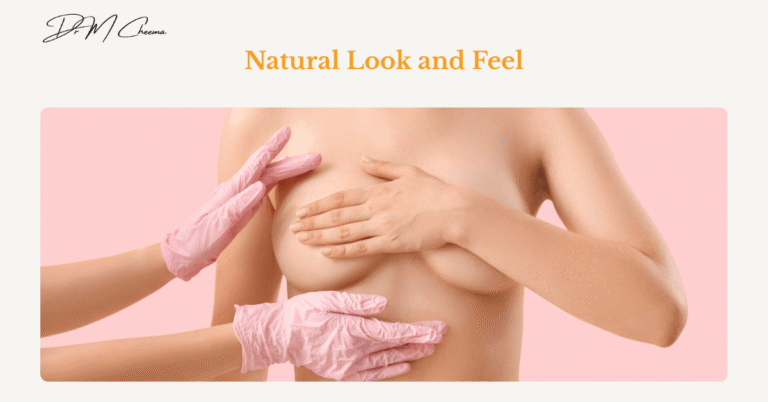
Silicone implants are highly regarded for their remarkably natural look and texture. The silicone gel inside feels soft, cohesive, and mimics the weight and movement of real breast tissue. This makes them a popular choice for women who want results that not only look beautiful but also feel authentic to the touch, both in and out of clothing.
Less Rippling or Wrinkling:
Because the silicone gel is thicker and more stable than saline, these implants are less prone to visible rippling. This is particularly beneficial for women with thinner skin or smaller natural breasts, where implant edges might otherwise show through.
Long-Lasting Shape and Projection:
Modern silicone implants — especially cohesive gel or “gummy bear” types — are designed to maintain their shape over many years. They offer consistent projection, contour, and firmness, reducing the risk of sagging or distortion over time.
Wide Range of Customisation:
Silicone implants come in a variety of shapes, profiles, and textures, including round and anatomical (teardrop) options. This allows your surgeon to tailor the implant precisely to your body type, chest width, and desired outcome, ensuring balanced and proportionate results.
Cons
Harder to Detect Rupture (Silent Rupture):
When a silicone implant ruptures, it often doesn’t deflate visibly, this is known as a “silent rupture.” The gel may remain within the capsule, making it difficult to detect without imaging. That’s why routine MRI or ultrasound scans every few years are recommended to monitor the implant’s condition.
Requires Slightly Larger Incisions:
Since silicone implants are pre-filled before insertion, the incision made to place them needs to be slightly larger than for saline implants. However, an experienced surgeon like Mr. Cheema carefully positions these incisions in discreet areas, such as the breast crease, to minimise visibility.
Slightly Higher Cost:
Silicone implants typically cost more due to their advanced material and design. However, most patients find the superior aesthetics and natural texture well worth the investment in long-term satisfaction.
Pros and Cons of Saline Implants
Pros
Smaller Incisions and Easier Insertion:
Saline implants are inserted empty and filled with sterile saline once inside the breast pocket. This allows for smaller incisions, minimal scarring, and in some cases, a shorter operation time. It’s also a great option for patients concerned about scar visibility.
Instant Rupture Detection:
If a saline implant ever leaks or ruptures, the implant will deflate almost immediately, making it easy to spot. The saline solution is completely safe and is naturally absorbed by the body — no health risk, no guesswork.
Adjustable Volume During Surgery
A unique benefit of saline implants is that the surgeon can adjust the amount of saline fluid during the procedure to achieve perfect symmetry between both breasts. This flexibility can be especially helpful for patients with natural asymmetry.
More Cost-Effective Option
Saline implants generally cost less than silicone implants, making them a popular option for those seeking enhancement on a more modest budget while still achieving beautiful results.
Cons
Less Natural Feel:
Because saline is a liquid rather than a gel, these implants can feel slightly firmer or less natural, especially for women with very little existing breast tissue. In such cases, the edges may be more noticeable by touch.
More Prone to Rippling:
Saline implants are more likely to ripple or wrinkle under the skin, particularly along the sides of the breasts or in thinner patients. This can affect the smoothness of the result in certain lighting or clothing.
Heavier Sensation Over Time:
Some patients notice that saline implants can feel a bit heavier or firmer over the years compared to silicone. While this doesn’t impact safety, it can influence overall comfort and movement depending on your lifestyle and body shape.

Discover the Right Option for Your Body
Still weighing your options between silicone and saline implants? Schedule a visit with Mr. Cheema, one of Birmingham’s trusted plastic surgeons, to explore what will work best for you. From consultation to recovery, you’ll be supported by an experienced medical team committed to your safety, results, and satisfaction.
Safety and Longevity of Breast Implants
Whether you choose silicone or saline, both implant types are FDA-approved and clinically proven to be safe when placed by a qualified and experienced plastic surgeon. At Mr. Cheema’s Birmingham clinic, patient safety, surgical precision, and long-term satisfaction are always the top priorities.
Modern breast implants are designed to be durable and long-lasting. On average, they can last between 10 to 15 years, but many women enjoy their implants for 20 years or more without issues particularly when regular check-ups and proper care are maintained.
For silicone implants, routine MRI or ultrasound scans are recommended every few years to ensure implant integrity. Saline implants, on the other hand, provide immediate visual cues in case of rupture, making monitoring more straightforward.
Maintaining a healthy lifestyle, avoiding major weight fluctuations, and following your surgeon’s aftercare advice all help preserve the aesthetic quality and comfort of your results over time.
Most importantly, both silicone and saline implants can be safely replaced or removed in the future if your body changes, lifestyle evolves, or aesthetic preferences shift. With today’s advanced surgical techniques, updates or revisions can be done smoothly and with minimal downtime, giving you the flexibility to feel confident at every stage of life.
How to Choose the Right Implant for You?
Selecting the right implant isn’t just about choosing between silicone and saline. It’s about aligning your goals, anatomy, and lifestyle with the right option. During your consultation with Mr. Cheema, several key factors are assessed:
- Body Frame and Tissue Thickness: If you have less natural breast tissue, silicone may create a softer and more realistic result.
- Desired Look and Feel: Silicone is ideal for those seeking natural movement and touch, while saline offers a firmer, more defined appearance.
- Scar Placement Preferences: Saline implants often allow for smaller incisions, which may be important if you want minimal visible scarring.
- Budget and Maintenance: Silicone implants are slightly more expensive and may require periodic imaging; saline implants are typically lower-cost and easier to monitor.
- Personal Comfort: Some patients prefer the peace of mind that comes with saline implants, as any rupture is immediately visible and harmless. Others prioritise the aesthetic advantage of silicone.
Combining Implants with Other Procedures
Many women choose to enhance their breast augmentation results by combining implants with complementary procedures such as a breast lift, liposuction, or tummy tuck. This approach helps create a more balanced, proportionate, and rejuvenated figure overall, rather than focusing on one area alone.
A breast lift can restore firmness and elevate the breasts for a youthful contour, while liposuction or a tummy tuck refines the midsection to complement your new shape. Together, these treatments can provide a more complete transformation, improving both body balance and self-confidence.
During your consultation with Mr. Cheema, he will carefully assess your goals, proportions, and preferences to design a personalised surgical plan that enhances your natural beauty and delivers harmonious, natural-looking results that feel uniquely yours.
Choosing with Confidence
There is no one-size-fits-all answer to the silicone vs saline debate, only what’s right for you. The decision should be made after an in-depth consultation with a qualified, GMC-registered plastic surgeon who understands your goals and body proportions.
At Mr. Cheema’s Birmingham clinic, every breast augmentation is guided by three principles: safety, natural results, and patient satisfaction. Whether you prefer the soft realism of silicone or the flexible simplicity of saline, your treatment will be tailored to your unique needs.
Your Journey to Confidence Starts Here
If you’re considering breast augmentation in Birmingham, now is the perfect time to explore your options. Schedule a private consultation with Mr. Cheema to discuss silicone and saline implants, view before-and-after examples, and design a plan that fits your vision perfectly.
Frequently Asked Questions
Which type of implant looks and feels more natural?
Most patients find that silicone implants provide a softer, more natural feel that closely mimics real breast tissue. However, for women with more natural volume or thicker skin, saline implants can still deliver beautiful, natural-looking results. The best option depends on your anatomy and desired outcome, which Mr. Cheema can assess during your consultation.
How long do breast implants last?
Breast implants are designed to be long-lasting — typically around 10 to 15 years, though many patients keep them safely for 20 years or more with proper care and monitoring. Regular check-ups help ensure your implants remain in excellent condition.
Can I feel or see the implants under my skin?
This depends on your body type and the type of implant chosen. Saline implants may have a slightly firmer feel or show more rippling in patients with very little breast tissue. Silicone implants, being softer and denser, usually feel smoother and more natural, even in thinner women.
What happens if an implant ruptures?
If a saline implant ruptures, it deflates quickly, and the body safely absorbs the saline fluid — making detection immediate and harmless. A silicone implant rupture is known as a “silent rupture” since it might not be visible right away. That’s why regular MRI or ultrasound scans are recommended to check integrity.
How long is the recovery after breast augmentation?
Most patients can return to light activities within 7 to 10 days and resume regular routines in 4 to 6 weeks. Wearing a supportive post-surgery bra, resting adequately, and following Mr. Cheema’s aftercare instructions are key to a smooth recovery and lasting results.