
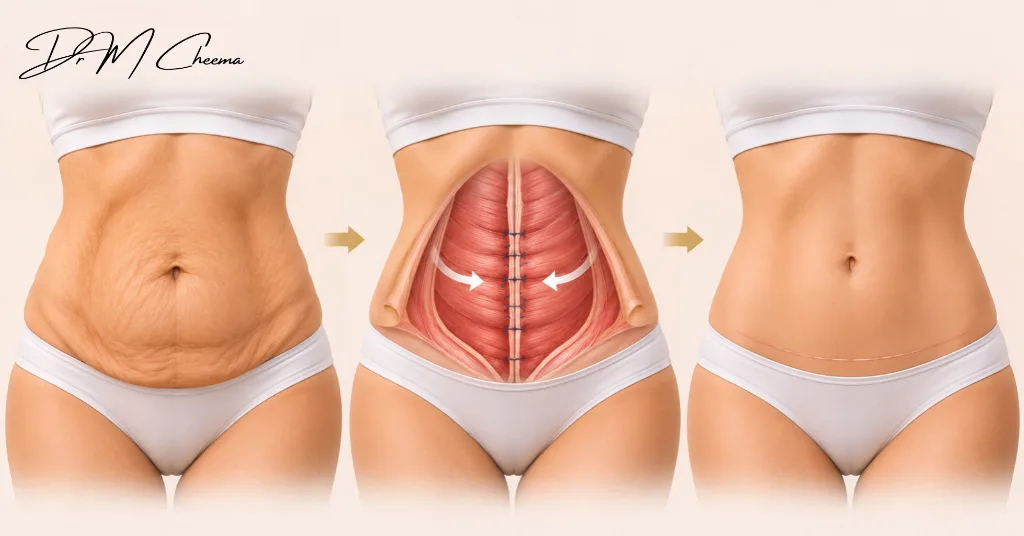
Loose abdominal skin, stubborn fat deposits, and weakened abdominal muscles can remain concerns even after pregnancy or significant weight loss. For some people, these changes affect the appearance of the abdomen and lead them to explore surgical options. A tummy tuck, medically known as abdominoplasty, is a procedure designed to remove excess skin and fat while improving abdominal contours. Depending on the surgical plan, it can also tighten separated or weakened abdominal muscles.
Dr Cheema, an internationally trained plastic, reconstructive, and aesthetic surgeon based in Birmingham, provides information about tummy tuck surgery and surgical treatment options through his website. If you are considering a tummy tuck in London or elsewhere in the UK, understanding the procedure, associated costs, how to choose a qualified surgeon, and what to expect during recovery can help you make an informed decision.
What Is a Tummy Tuck?
A tummy tuck is a surgical procedure that improves the contour of the abdomen by removing excess skin and, where appropriate, fat. It may also involve tightening the abdominal muscles when they have become separated or weakened.
The procedure is commonly considered after pregnancy, substantial weight loss, or changes in skin elasticity. These circumstances can leave loose skin that does not respond to exercise alone.
Depending on your needs, surgery may involve:
- Removing excess skin from the abdomen.
- Reducing selected fat deposits as part of the surgical plan.
- Repairing separated abdominal muscles when appropriate.
- Improving the contour of the lower abdomen.
- Removing some stretch marks located within the skin being removed.
Results vary between individuals, and the procedure cannot eliminate every stretch mark or guarantee a completely flat abdomen. A consultation helps establish what is realistically achievable.
Who May Be Suitable for a Tummy Tuck?
Tummy tuck surgery may be appropriate for adults who have excess abdominal skin, weakened abdominal muscles, or persistent changes in abdominal contour.
After Pregnancy
Pregnancy can stretch the abdominal skin and muscles. Some people experience diastasis recti, a separation of the abdominal muscles, which may contribute to a protruding abdominal appearance.
After Significant Weight Loss
Substantial weight loss can leave excess skin around the abdomen. When skin elasticity has been reduced, the remaining folds may not disappear through exercise.
A tummy tuck can remove selected excess skin, although the procedure should generally be considered after weight has stabilised.
Persistent Loose Abdominal Skin
Ageing and changes in skin elasticity can contribute to loose abdominal skin. If the concern relates mainly to excess skin rather than fat, a tummy tuck may be more appropriate than liposuction alone.
Good General Health
Suitable candidates need an assessment of their medical history, current health, medications, and ability to recover safely.
Types of Tummy Tuck Surgery
Different tummy tuck techniques address different areas of the abdomen. The most suitable option depends on the amount and location of excess skin, muscle separation, and individual anatomy.
Full Tummy Tuck
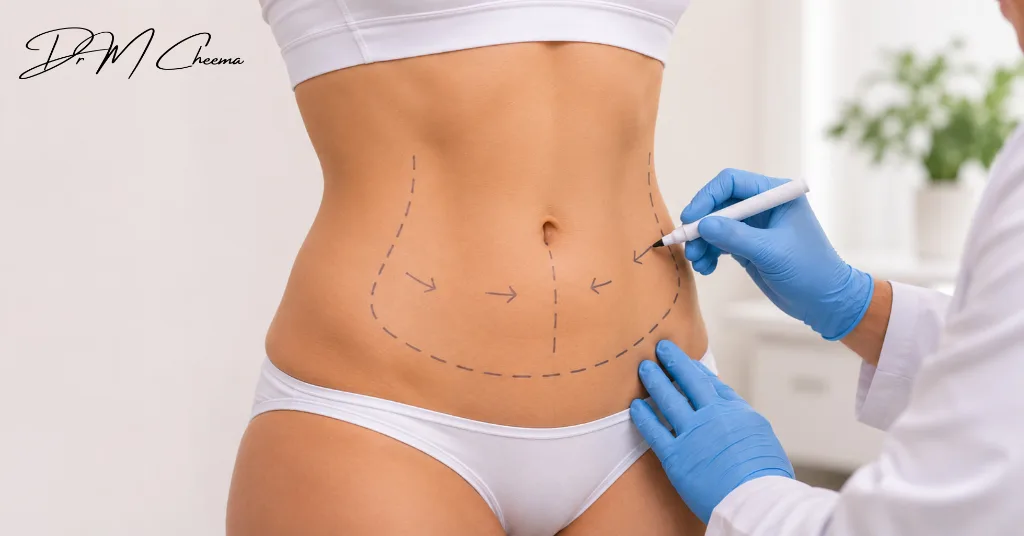
A full tummy tuck addresses excess skin across a larger area of the abdomen. The surgeon typically makes an incision along the lower abdomen and may make another incision around the belly button.
Excess skin is removed, and abdominal muscles may be tightened if necessary. The remaining skin is repositioned, and the belly button is adjusted when required.
This procedure may be considered when loose skin and muscle changes affect both the upper and lower abdomen.
Mini Tummy Tuck
A mini tummy tuck is designed for selected patients with a smaller amount of excess skin, mainly below the belly button.
It generally involves a smaller incision and less extensive tissue adjustment than a full tummy tuck. However, it is not suitable for everyone and may not address significant muscle separation or loose skin above the belly button.
Extended Tummy Tuck
An extended tummy tuck addresses excess skin across a wider area, potentially including the flanks or sides of the waist.
It may be considered after substantial weight loss when loose skin extends beyond the central abdomen. Because the procedure is more extensive, recovery and scarring may differ from those associated with a standard tummy tuck.
Tummy Tuck with Liposuction
In selected cases, liposuction may be combined with a tummy tuck to refine body contours.
Liposuction removes targeted fat deposits, whereas a tummy tuck addresses excess skin and may repair abdominal muscles. The combination must be planned carefully because the extent of surgery and the patient’s individual risks influence what is appropriate.
How Much Does a Tummy Tuck Cost in London?
The cost of a tummy tuck in London depends on the surgeon, clinic or hospital, type of procedure, anaesthesia, and complexity of the operation.
As a general UK guide, the NHS reports that abdominoplasty can cost approximately £5,000 to £10,000, with consultations and follow-up care potentially adding to the total. Private London prices may fall within or above this range, depending on the provider and treatment plan.
This is an indicative estimate, not a confirmed quotation from an individual clinic.
What Influences the Price?
- Type of surgery: A mini tummy tuck may cost less than a full or extended procedure because the operation may be less extensive.
- Surgeon’s fees: Fees vary according to the surgeon’s qualifications, experience, and the complexity of the procedure.
- Hospital and anaesthesia charges: Operating facilities, anaesthetic care, and any required overnight stay contribute to the overall cost.
- Additional procedures: Combining a tummy tuck with liposuction or another operation may increase the total price.
- Aftercare: Follow-up appointments, dressings, compression garments, and any additional treatment may be included or charged separately.
How to Choose the Right Tummy Tuck Surgeon
Choosing a surgeon is one of the most important parts of planning a tummy tuck. The decision should be based on qualifications, relevant experience, patient safety, and the quality of information provided during consultation.
Check Professional Registration
In the UK, check that your surgeon is registered with the General Medical Council. You can also verify whether they are listed on the Specialist Register in plastic surgery.
Review Relevant Surgical Experience
Ask about the surgeon’s experience performing abdominoplasty and managing complications associated with body-contouring procedures.
Understand the Surgical Facility
Your procedure should take place in an appropriately registered facility with suitable surgical equipment, anaesthesia support, and emergency arrangements.
Ask About Risks and Scarring
Your surgeon should explain the likely scar location, possible changes in sensation, wound-healing concerns, and the limitations of the expected result.
Review Before-and-After Photographs Carefully
Before-and-after photographs may help you understand the types of results a surgeon has achieved in previous patients.
Assess the Aftercare Arrangements
Recovery does not end when you leave the hospital. Ask who will provide follow-up care, how you can report concerns, and what arrangements are available if complications develop.
Take the First Step Towards Personalised Surgical Advice
If you are considering a tummy tuck to address excess abdominal skin or weakened muscles, understanding your options is an important starting point. Explore the information available on Dr Cheema’s website and learn more about tummy tuck surgery, treatment planning, and the consultation process.

What Happens During Tummy Tuck Surgery?
A tummy tuck is usually performed under general anaesthesia. The duration and exact surgical technique depend on the procedure being undertaken.
Before the Operation
Your surgeon will assess your abdomen, review your medical history, and discuss your expectations.
You may need pre-operative investigations depending on your health and the planned procedure. You will also receive instructions about medications, eating and drinking before surgery, smoking cessation, and arranging support at home.
During Surgery
The surgeon makes an incision in the planned location and separates the skin and underlying tissues as required.
Excess skin is removed, and abdominal muscles may be repaired if appropriate. The remaining skin is repositioned and closed with stitches.
Immediately After Surgery
After the operation, you will be monitored while recovering from the anaesthetic.
Pain relief and appropriate wound care will be provided. Depending on the procedure and your recovery, you may need to stay in the hospital overnight or longer.
Before discharge, you should understand how to care for the wound, manage medication, recognise warning signs, and arrange follow-up appointments.
Tummy Tuck Recovery: What to Expect
Recovery takes time, and the experience varies between patients. The extent of surgery, general health, and individual healing all influence the timeline.
The First Week
Swelling, bruising, tightness, and discomfort are common after surgery. You may initially find it difficult to stand fully upright.
Follow the advice provided about resting, wound care, and pain relief. Gentle walking, when advised by your clinical team, is important because prolonged immobility can increase the risk of blood clots.
Arrange practical support at home, especially if you have young children or responsibilities involving lifting.
Weeks Two to Three
Discomfort should gradually improve, although swelling and fatigue may continue.
Some people can resume light daily activities during this period, depending on the procedure and their progress. You should continue to avoid strenuous movements and heavy lifting until your surgeon advises otherwise.
Attend scheduled follow-up appointments so that the wound and healing progress can be assessed.
Weeks Four to Six
Many patients gradually resume more routine activities during this stage. However, returning to work depends on the physical demands of the job and the complexity of the operation.
Strenuous exercise, abdominal workouts, and heavy lifting should only resume when your surgeon confirms that it is appropriate.
Driving should also wait until you can move comfortably, control the vehicle safely, and perform an emergency stop without restriction. Follow your surgeon’s advice and insurance requirements.
Beyond Six Weeks
Many patients feel substantially recovered by around six weeks, but complete healing takes longer.
Residual swelling can persist for several weeks or months, and scars continue to mature over time. The final appearance may take many months to become clear.
Your surgeon will advise you about ongoing restrictions, scar care, and any further follow-up.
How Can You Prepare for a Tummy Tuck?
Preparation can help you approach surgery with realistic expectations and make recovery more manageable.
- Maintain a stable weight: A tummy tuck is generally best considered when your weight is stable. Significant weight changes after surgery may affect the result.
- Stop smoking and nicotine use: Smoking and nicotine can impair circulation and wound healing. Ask your surgical team how long you need to stop before and after surgery.
- Discuss your medical history: Inform your surgeon about existing conditions, previous operations, allergies, and all medications or supplements you take.
- Plan your recovery: Arrange transport home and support with shopping, housework, childcare, and other daily responsibilities.
- Prepare your home: Keep essential items within easy reach and create a comfortable place to rest.
Take the Next Step Towards a Flatter Abdomen
A tummy tuck can help address excess abdominal skin, stubborn fat deposits, and weakened abdominal muscles in suitable candidates. Understanding the procedure, recovery timeline, potential risks, and expected results is essential before making a decision.
If you are considering a tummy tuck in London or elsewhere in the UK, take time to research your options and choose a surgeon with appropriate qualifications and experience. Dr Cheema, based in Birmingham, provides information about tummy tuck surgery and available treatment options on his website. Explore the procedure details to learn more about what surgery involves and how to prepare for your treatment journey.
Understand Your Procedure Before Deciding
Choosing cosmetic surgery requires time, research, and a clear understanding of the benefits and risks. Dr Cheema’s tummy tuck information can help you learn about the procedure and prepare questions for a professional consultation.
Frequently Asked Questions
How Much Does a Tummy Tuck Cost in London?
A tummy tuck in the UK may cost approximately £5,000 to £10,000, according to the NHS, although some private London clinics charge more. The final cost depends on the procedure, surgeon, hospital, anaesthesia, and aftercare. Always request an itemised quotation.
How Long Does Tummy Tuck Recovery Take?
Many patients need around four to six weeks before returning to most routine activities, but recovery varies. Heavy lifting and strenuous exercise may need to be avoided for longer. Follow your surgeon’s individual instructions.
Is a Tummy Tuck Suitable After Pregnancy?
It may be suitable for adults who have persistent excess skin or abdominal muscle separation after pregnancy. It is generally preferable to wait until recovery from pregnancy is complete and future pregnancy plans have been considered.
Does a Tummy Tuck Remove Stretch Marks?
A tummy tuck can remove some stretch marks when they lie within the section of skin removed during surgery. Stretch marks outside that area will usually remain, although their appearance may change as the skin is repositioned.
Will I Have a Scar After a Tummy Tuck?
Yes. A tummy tuck leaves a scar across the lower abdomen, and a full procedure may also leave a scar around the belly button. Scars usually change and fade over time, but they do not disappear completely.