
BMI can play an important role in determining whether a patient is ready for cosmetic surgery. While cosmetic procedures are designed to improve body shape, surgeons must also consider safety, healing and the likelihood of achieving a stable result. Reaching a suitable and stable weight is not about achieving a perfect number on the scales. It is about creating a healthier foundation for surgery and allowing your body to recover as safely as possible.
Dr. Cheema is an internationally trained Plastic, Reconstructive and Aesthetic Surgeon based in Birmingham. His approach to cosmetic surgery focuses on careful patient assessment, safety, realistic expectations and treatment planning that considers each person’s individual health and circumstances.
Before procedures such as tummy tuck surgery, liposuction, breast surgery or body contouring, patients may be asked about their weight, BMI, medical history and general health. This is not simply about appearance. Your weight can influence how safely you undergo surgery, how your body heals and how predictable your result may be.
Why Does BMI Matter Before Cosmetic Surgery?
BMI, or body mass index, is a calculation based on your height and weight. It is often used as one part of a general health assessment before surgery.
For cosmetic surgery, BMI can provide useful information about potential surgical risk. A higher BMI may be associated with increased risks during and after certain procedures, including wound healing problems, infection, blood clots, anaesthetic complications and fluid collections.
However, BMI is not the only factor that determines whether someone is suitable for cosmetic surgery.
A surgeon may also consider:
- Your overall health
- Existing medical conditions
- Smoking or nicotine use
- Medications
- Previous operations
- Weight stability
- Nutritional status
- Physical activity
- The type and extent of surgery planned
- Your expectations from treatment
- Your ability to follow postoperative instructions
This means that two people with the same BMI may have very different surgical risk profiles.
A consultation allows the surgeon to assess the complete picture rather than relying on a single number.
What BMI Is Usually Considered Safe for Cosmetic Surgery?
There is no single BMI that automatically makes cosmetic surgery safe or unsafe for every patient. Different surgeons, hospitals and procedures may have different requirements. Some procedures may carry greater risks at higher body weights, particularly operations involving extensive tissue removal or significant body contouring.
For some patients, a surgeon may recommend reaching a particular BMI before proceeding. For others, weight stability and overall health may be more important than reaching a specific number. It is important not to assume that reaching a particular BMI guarantees that surgery will go ahead.
Why Might a Surgeon Decline Cosmetic Surgery at a Higher BMI?

When a surgeon recommends postponing or declining cosmetic surgery because of BMI, the decision is generally related to surgical safety rather than simply appearance.
Higher Risk of Wound Healing Problems
Healing requires adequate blood supply, oxygen delivery and good nutritional support. Higher levels of body fat can affect the blood supply to tissues and may increase the likelihood of wound healing complications after some procedures.
This can be particularly important for surgery involving large areas of skin removal or tissue repositioning. A wound that takes longer to heal may require additional dressings, appointments or treatment.
Increased Risk of Infection
Surgical wounds need to heal properly to reduce the risk of infection. Certain health factors associated with higher body weight can increase the risk of postoperative complications. If an infection develops, recovery may become longer and more complicated.
This is one reason a surgeon may recommend improving general health and reaching a more suitable weight before elective surgery.
Greater Risk of Blood Clots
Surgery temporarily affects mobility, and reduced movement after an operation can increase the risk of blood clots. Higher body weight can be an additional risk factor in some patients.
The exact level of risk depends on factors such as the operation, duration of surgery, medical history, mobility and other individual circumstances. Your surgical team can assess your personal risk and recommend appropriate precautions.
Anaesthetic Considerations
Some patients with a higher BMI may have additional considerations during anaesthesia. These can include airway management, breathing problems, sleep apnoea and the way certain medications are handled by the body. An anaesthetic assessment helps determine whether surgery can be performed safely and what precautions may be required.
More Difficult Surgery
Higher amounts of body fat can sometimes make certain procedures technically more challenging. This may be relevant for operations such as tummy tuck surgery, body contouring and some forms of liposuction. The surgeon needs to consider whether the planned procedure can be performed safely and whether the expected result is realistic.
Does BMI Affect Cosmetic Surgery Results?
BMI can influence the appearance and longevity of some cosmetic surgery results. For example, a tummy tuck removes excess skin and can tighten the abdominal wall, but it does not prevent future weight gain. If a patient loses a substantial amount of weight after surgery, the skin and tissues may change again.
Similarly, significant weight gain after body contouring can alter the shape created by surgery. For this reason, surgeons often prefer patients to be close to their long-term target weight before undergoing elective body contouring. The aim is not simply to reach a particular number on the scales. The goal is to undergo surgery when your weight is sufficiently stable to support a predictable and lasting result.
Why Weight Stability Can Matter More Than Rapid Weight Loss
Patients sometimes believe they need to lose weight as quickly as possible before cosmetic surgery. Rapid weight loss is not always the best approach. Your body needs adequate protein, vitamins, minerals and other nutrients to maintain healthy tissues and support healing.
A more gradual and sustainable approach may be easier to maintain and can help you establish habits that continue after surgery. If you are losing weight through a structured medical programme, your healthcare professional can help you determine whether your nutritional intake is appropriate.
How Much Weight Should You Lose Before Cosmetic Surgery?
There is no universal amount of weight that every patient should lose before surgery.
The answer depends on:
- Your starting weight
- Your height
- Your BMI
- Your planned procedure
- Your medical history
- Your weight stability
- Your nutritional health
- Your surgeon’s assessment
A patient considering a tummy tuck may have different requirements from someone considering a smaller procedure. During consultation, your surgeon can explain whether your current weight is suitable for the procedure or whether weight loss would make surgery safer.
Understand Whether Weight Loss Should Come First
Every patient has different circumstances. A consultation can help clarify whether weight loss, weight stability or another aspect of your health should be addressed before cosmetic surgery.
What Is the Safest Way to Reach a Suitable Weight?
If your surgeon recommends losing weight before cosmetic surgery, the priority should be a safe and sustainable approach.
Focus on Balanced Nutrition
A balanced diet can provide the nutrients needed for healthy weight management and future recovery.
Meals can include appropriate portions of:
- Vegetables and fruit
- Whole grains
- Lean sources of protein
- Healthy fats
- Dairy or suitable alternatives
- Adequate fluids
Protein is particularly important because it contributes to tissue maintenance and repair.
Your nutritional requirements may vary depending on your age, health and activity level.
Increase Physical Activity Gradually
Regular physical activity can support weight management and cardiovascular health. You do not necessarily need an intense exercise programme. Walking, swimming, cycling and other activities that are appropriate for your health can contribute to an active lifestyle. If you have a medical condition or have not exercised regularly, speak with your healthcare professional before making major changes to your activity level.
Avoid Extreme Dieting
Crash diets can be difficult to maintain and may not provide adequate nutrition. Very restrictive diets can also make it harder to maintain muscle mass and obtain the nutrients your body needs. Cosmetic surgery is elective, so there is usually an opportunity to take time to prepare properly rather than rushing towards an operation.
Consider Professional Weight Management
Some patients may benefit from support from a doctor, registered dietitian or structured weight management service. Professional guidance can be particularly useful if you have struggled with weight management or have an underlying health condition.
The aim should be to establish a healthy approach that you can maintain rather than simply reaching a short-term target before surgery.
BMI and Tummy Tuck Surgery
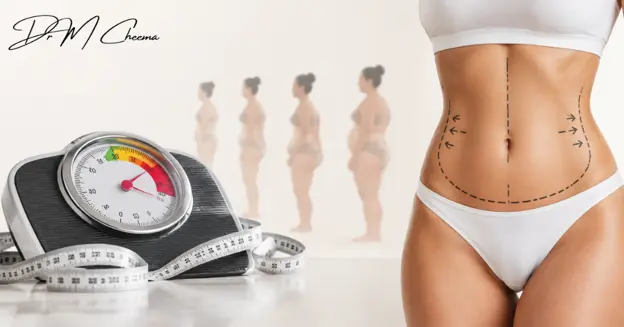
A tummy tuck, also known as abdominoplasty, removes excess abdominal skin and may involve tightening separated abdominal muscles. Because it involves a relatively large area of the body, your overall health and weight can be particularly important.
Patients with a higher BMI may have an increased risk of complications such as wound healing problems, infection and blood clots. A surgeon may therefore recommend weight loss before performing a tummy tuck. This does not mean that every patient needs to reach a specific BMI. The appropriate target depends on individual assessment.
BMI and Liposuction
Liposuction removes localised areas of fat and is primarily a body contouring procedure rather than a weight loss treatment. Having a higher body weight does not necessarily mean that liposuction is the appropriate way to lose weight.
If significant weight loss is needed, lifestyle changes and medically supervised weight management may be more appropriate. Once a patient reaches a suitable and stable weight, liposuction may sometimes be considered for remaining areas of localised fat.
BMI and Breast Surgery
BMI can also be relevant to breast surgery. Patients considering breast reduction, breast lift or breast augmentation may be assessed according to their overall health and weight.
Changes in body weight can affect breast size and shape, which may influence the surgical plan and long-term result. For some patients, reaching a stable weight before breast surgery may therefore be recommended.
What Happens During a Cosmetic Surgery Consultation?

A consultation is an opportunity to determine whether surgery is appropriate and safe for you. Dr. Cheema may consider your medical history, current health, weight, BMI, previous surgery and your reasons for considering treatment.
Depending on the procedure, the assessment may also include discussion of:
- Medications
- Smoking
- Previous anaesthetic problems
- Existing medical conditions
- Weight changes
- Pregnancy plans
- Previous pregnancies
- Expectations from surgery
- Recovery requirements
The consultation should give you a clear understanding of what surgery can realistically achieve and whether additional preparation is recommended.
Final Thoughts on BMI and Cosmetic Surgery
BMI can be a useful part of preparing for cosmetic surgery, but it should not be viewed as the only measure of suitability. A higher BMI may increase certain surgical risks, which is why some surgeons recommend weight loss before elective procedures. Reaching a suitable and stable weight can provide a safer foundation for surgery and may help support a more predictable long-term result.
Dr. Cheema takes an individual approach to cosmetic surgery, considering each patient’s health, anatomy, goals and suitability before recommending treatment. If you are considering tummy tuck surgery, liposuction, breast surgery or another cosmetic procedure in Birmingham, a personal consultation can help you understand whether you are ready for surgery or whether further preparation would be beneficial.
Plan Your Surgery Around Long-Term Results
Cosmetic surgery is a significant decision. Taking time to reach an appropriate and stable weight can help create a safer foundation for treatment and support a more predictable result. Arrange a consultation with Dr. Cheema in Birmingham to discuss your options.
Frequently Asked Questions
What BMI is too high for cosmetic surgery?
There is no universal BMI cutoff for every cosmetic procedure. The appropriate range depends on the operation, your health, weight stability and individual surgical risk.
Why do plastic surgeons care about BMI?
BMI can provide information about potential surgical risks, including wound healing problems, infection, blood clots and anaesthetic considerations.
Do I need to lose weight before a tummy tuck?
You may be advised to lose weight before a tummy tuck if your current weight increases surgical risk or if further weight loss is expected to significantly change your body shape.
Should my weight be stable before cosmetic surgery?
Weight stability can be important, particularly for body contouring procedures. Significant weight changes after surgery can affect the result.
Can I have liposuction if I am overweight?
Liposuction is primarily a body contouring procedure rather than a weight loss treatment. Your surgeon can assess whether it is appropriate for your current weight and health.