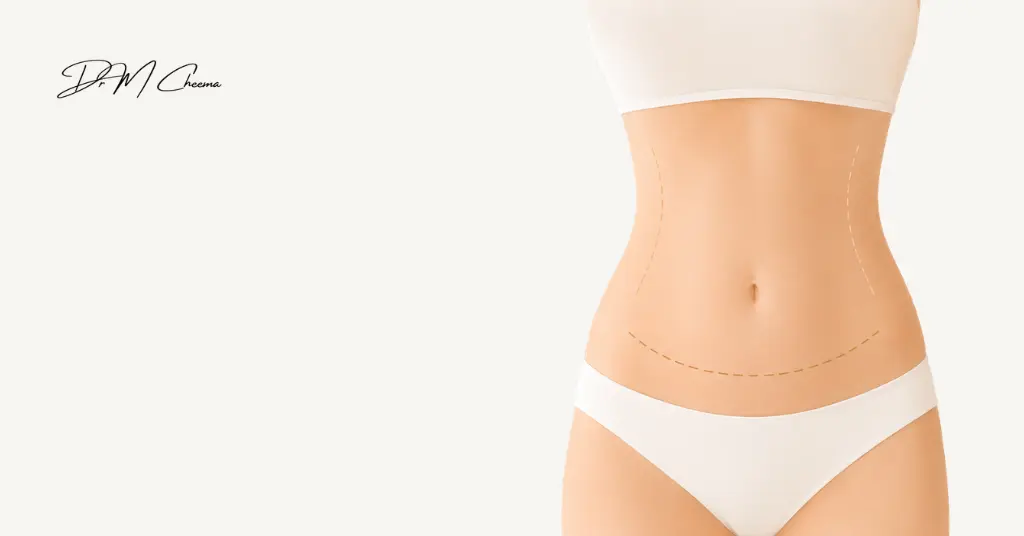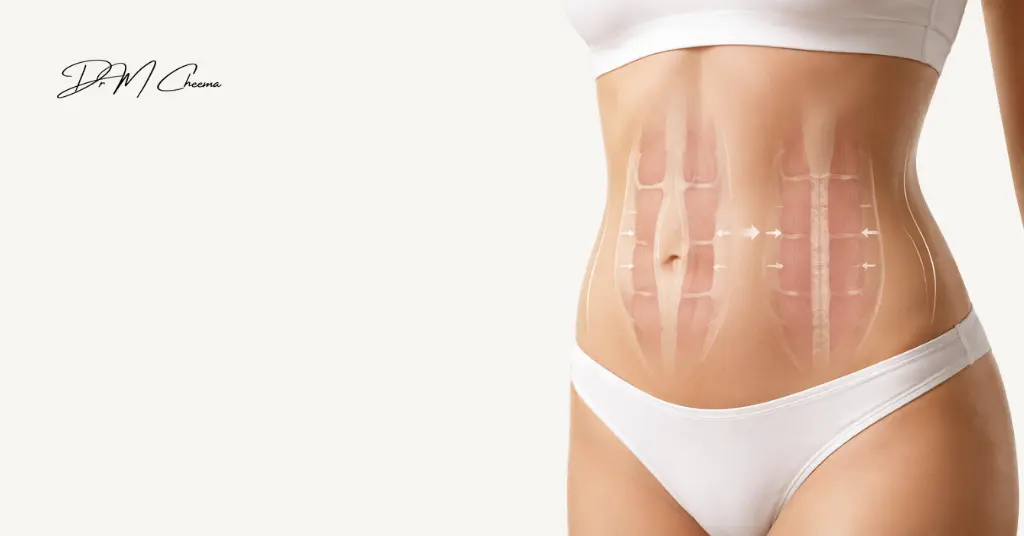
A tummy tuck, also called abdominoplasty, can create a flatter and firmer abdominal profile by removing excess skin and fat and, when appropriate, tightening weakened abdominal muscles. While the procedure can provide significant changes in abdominal contour, it also requires a period of healing. During recovery, some patients may develop a seroma, which is a collection of clear fluid beneath the skin.
The good news is that seromas are a recognised complication after tummy tuck surgery and can often be managed successfully with appropriate medical care. Understanding why they occur, what symptoms to look for, and how they are treated can help you feel more prepared during your recovery.
With a focus on individual anatomy, patient safety, and natural looking outcomes, Dr. Cheema takes time to understand each patient’s concerns and treatment goals before recommending a suitable approach. If you are considering abdominoplasty, understanding potential complications such as seroma can help you feel more prepared for surgery and recovery.
In this guide, we explain why fluid can build up after a tummy tuck, what a seroma may feel like, how it is diagnosed, and the treatment options available.
What Is a Seroma After a Tummy Tuck?
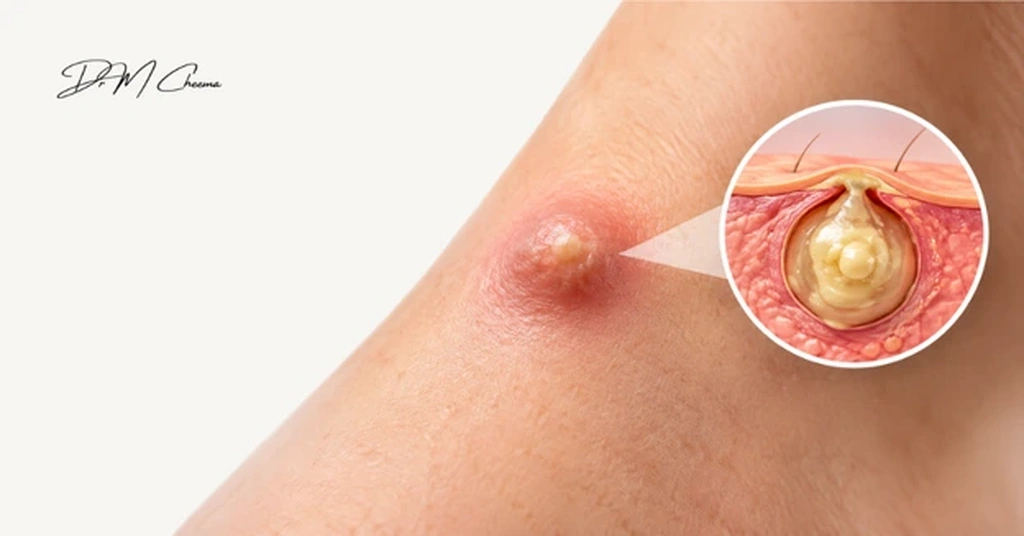
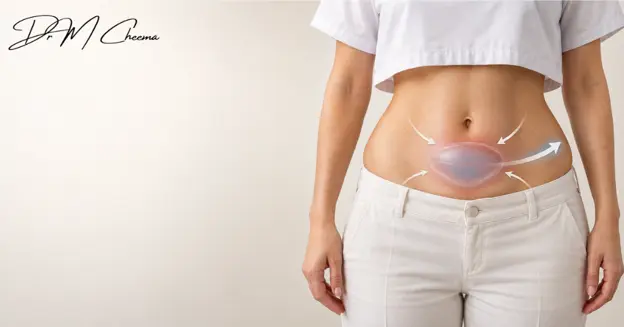
A seroma is a pocket of fluid that develops in an area where tissue has been separated during surgery.
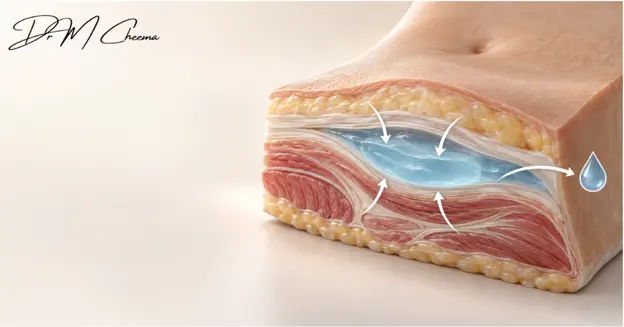
During a tummy tuck, the surgeon lifts the abdominal skin and tissue from the underlying structures to remove excess skin and reshape the abdomen. This creates a space between tissue layers while the body begins its healing process.
The body naturally produces fluid as part of healing. In some cases, this fluid can collect in the space created during surgery instead of being absorbed by the body. This collection is called a seroma.
A seroma is different from a hematoma. A hematoma is a collection of blood, while a seroma generally contains clear or pale-yellow fluid. Seromas can vary in size. A small collection may cause little discomfort and resolve naturally, while a larger collection may create noticeable swelling or a feeling of fluid moving underneath the skin.
Why Does Fluid Build Up After a Tummy Tuck?
Several factors can contribute to seroma formation following abdominoplasty.
Tissue Separation During Surgery
The most important reason is the creation of a space between tissue layers during surgery. The body needs time to repair this area and reconnect the tissues. During this period, fluid can accumulate.
Natural Healing Response
Inflammation is part of the normal healing process. After surgery, the body sends fluid and immune cells to the surgical area to support tissue repair. Some of this fluid can collect beneath the skin.
Extent of Surgery
A more extensive tummy tuck involves greater tissue dissection than a smaller procedure. The amount of tissue affected can influence the risk of fluid accumulation.
Individual Healing
Patients do not all heal in the same way. Factors such as tissue characteristics, previous surgery, overall health, and individual healing responses can influence the likelihood of developing a seroma.
Activity During Recovery
Following postoperative instructions regarding movement and physical activity is important. Doing too much too soon may place additional stress on healing tissues. Your surgeon will provide personalised guidance about walking, exercise, lifting, and returning to normal activities.
How Common Is a Seroma After Tummy Tuck?
Seroma is one of the recognised complications associated with abdominoplasty. The risk varies depending on the surgical technique, the extent of surgery, individual patient factors, and postoperative care.
Modern surgical techniques are designed to reduce complications where possible. Your surgeon may use specific methods during surgery and recovery to reduce the amount of space where fluid could collect.
However, even with careful surgical planning, a seroma can still occur. Developing a seroma does not automatically mean that something went wrong during surgery.
What Does a Seroma Feel Like?
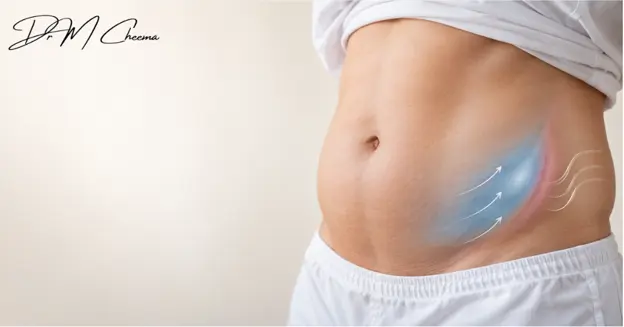
The symptoms of a seroma can vary depending on its size. Some patients notice a soft or swollen area on the abdomen. Others may describe a sensation of fluid moving underneath the skin.
Possible signs include:
- Localised swelling
- A soft or fluid filled area
- A feeling of pressure or fullness
- Mild discomfort
- Asymmetry in the abdominal area
- A sensation of movement beneath the skin
A larger seroma may make the abdomen appear uneven or swollen.
Not every swelling after tummy tuck surgery is a seroma. Postoperative swelling is extremely common, particularly during the early recovery period. For this reason, it is important not to diagnose a seroma based only on how the abdomen looks or feels. Your surgeon can assess the area and determine whether further evaluation is necessary.
When Does a Seroma Develop After Tummy Tuck Surgery?
A seroma may develop during the early postoperative period, but it can sometimes become noticeable after the initial swelling begins to decrease. Some patients may notice swelling relatively soon after surgery, while others may develop a more noticeable fluid collection later during recovery.
This is one reason follow up appointments are important. Your surgeon can monitor your healing and determine whether the swelling is part of normal postoperative recovery or whether it requires further assessment.
How Is a Seroma Diagnosed?
A surgeon may be able to identify a seroma through a physical examination. During the examination, the abdomen may be gently assessed for swelling, fluid movement, or changes in the surgical area.
If the diagnosis is uncertain or the fluid collection is deeper, an ultrasound may sometimes be recommended. Ultrasound can help identify a fluid collection beneath the skin and distinguish it from other causes of postoperative swelling. The appropriate assessment depends on your symptoms and clinical findings.
Does Every Seroma Need Treatment?
No. Small seromas may sometimes resolve naturally as the body gradually absorbs the fluid. Your surgeon may recommend observation if the collection is small, stable, and not causing significant symptoms.
The decision depends on factors such as the size of the collection, how long it has been present, whether it is increasing, and whether it is causing discomfort or affecting healing. Larger or persistent seromas may require treatment. This is why contacting your surgical team if you notice unusual or increasing swelling is important.
How Is a Seroma Treated After a Tummy Tuck?
Discuss Your Tummy Tuck Goals
Considering a tummy tuck but concerned about recovery and possible complications? Arrange a consultation with Dr. Cheema to discuss your abdominal concerns, surgical options, expected recovery, and how complications such as seroma can be managed.
How Is a Seroma Treated After a Tummy Tuck?
Treatment depends on the size and characteristics of the seroma.
Observation
A small seroma may simply be monitored. The body can gradually absorb the fluid without intervention. Your surgeon may recommend follow up appointments to ensure that the collection is becoming smaller.
Needle Aspiration
If a seroma is larger or uncomfortable, your surgeon may recommend aspiration. During aspiration, a sterile needle is used to remove the collected fluid.
The procedure is performed under appropriate medical conditions and may provide relief from pressure and swelling.
In some cases, the fluid may need to be removed more than once because the body can continue producing fluid while the tissues are healing.
Drainage
Some patients may require a drain to allow fluid to leave the surgical area.
Drains are sometimes used as part of routine postoperative management after tummy tuck surgery, particularly when the surgeon considers them appropriate based on the procedure and individual circumstances.
If a seroma develops after a drain has been removed, your surgeon will determine whether another drainage approach is necessary.
When Should You Contact Your Surgeon?
It is important to contact your surgical team if you notice changes that concern you during recovery.
You should seek medical advice if you develop:
- Increasing abdominal swelling
- A new soft or fluid filled area
- Significant or worsening pain
- Increasing redness or warmth
- Fever
- Unusual wound drainage
- Wound separation
- A sudden change in abdominal appearance
- Symptoms that are becoming worse rather than better
Not every postoperative change is an emergency, but your surgical team should determine whether assessment is necessary.
Can You Exercise with a Seroma?
If you have developed a seroma, you should ask your surgeon before increasing physical activity. Exercise can place stress on healing tissues, and the appropriate level of activity depends on your individual recovery.
Walking is commonly encouraged during postoperative recovery, but more strenuous exercise and heavy lifting generally need to be restricted until your surgeon confirms that they are appropriate.
Do not use exercise to try to make the fluid disappear. A seroma should be managed medically rather than through additional physical activity.
What Happens If a Seroma Keeps Coming Back?
Some seromas can recur after aspiration. This can happen because the body continues producing fluid while the tissue layers are still healing. If the collection repeatedly returns, your surgeon may recommend additional monitoring or treatment.
Persistent cases sometimes require more involved management. The appropriate treatment depends on the size and location of the collection, how long it has been present, and your individual healing process.
Preparing for a Tummy Tuck Consultation

If you are considering a tummy tuck, your consultation is an opportunity to discuss both the benefits and potential complications of the procedure.
You can ask about the surgical technique, expected incision, drains, compression garments, recovery period, activity restrictions, swelling, and the possibility of complications such as seroma.
It is also important to discuss your medical history, previous abdominal surgery, medications, smoking status, and any factors that could affect healing. Having an open discussion before surgery can help you understand what to expect and prepare appropriately for your recovery.
Tummy Tuck Care with Dr. Cheema
A tummy tuck is a personalised surgical procedure, and understanding the recovery process is an important part of preparing for treatment. Seroma is a recognised complication that can usually be assessed and managed according to the size of the fluid collection and the patient’s individual healing.
Dr. Cheema can discuss your suitability for abdominoplasty, explain the expected recovery process, answer questions about potential complications, and provide personalised guidance based on your anatomy and treatment goals. If you are considering tummy tuck surgery in Birmingham, contact Dr. Cheema to arrange a consultation and learn more about your options.
Understand Your Abdominoplasty Options
Every patient’s anatomy and surgical needs are different. If excess abdominal skin or weakened abdominal tissues are affecting your confidence or comfort, speak with Dr. Cheema about whether tummy tuck surgery may be appropriate for you.
Frequently Asked Questions
Is a seroma normal after tummy tuck?
A seroma is a recognised complication of tummy tuck surgery. It can occur because fluid collects in the space created between tissue layers during surgery. Small seromas may resolve naturally, while larger or persistent collections may require treatment.
What will my breast reduction scars look like after six weeks?
At six weeks, scars may still be pink, red, darker than the surrounding skin, firm, or slightly raised. Some swelling can also remain. Six weeks is still relatively early in the healing process, so the appearance at this stage does not represent the final result.
What will my scars look like after six months?
At six months, scars are generally more mature than they were during the early recovery period. They may have become flatter and softer, and their colour may have started to fade. Some patients may still have visible pigmentation or firmness at this stage.
Will breast reduction scars fade after one year?
Many breast reduction scars become less noticeable as they mature. At one year, scars are usually considerably more settled, but they may continue to change beyond this point. The amount of fading depends on individual skin characteristics, genetics, surgical technique, and healing.
How is a seroma drained?
A surgeon can drain a seroma using a sterile needle or other appropriate drainage method. The technique depends on the size and location of the fluid collection and the patient’s individual circumstances.