
Breast reduction surgery is one of the most effective procedures for women who experience physical discomfort and emotional distress due to overly large breasts. At Dr. Cheema’s practice, patients receive personalised care from consultation through to recovery, with treatment plans tailored to their individual needs and goals. While many people believe the procedure is performed purely for cosmetic reasons, breast reduction is often carried out to improve a patient’s quality of life by relieving symptoms such as back pain, neck pain, shoulder discomfort, and difficulties with everyday activities.
If you are considering breast reduction surgery, one of the first decisions you will face is whether to seek treatment through the NHS or choose private care. Both options can provide excellent surgical outcomes, but they differ considerably in terms of eligibility, waiting times, flexibility, and the overall patient experience. Understanding these differences will help you decide which route best suits your needs, lifestyle, and expectations.
Understanding Breast Reduction Surgery
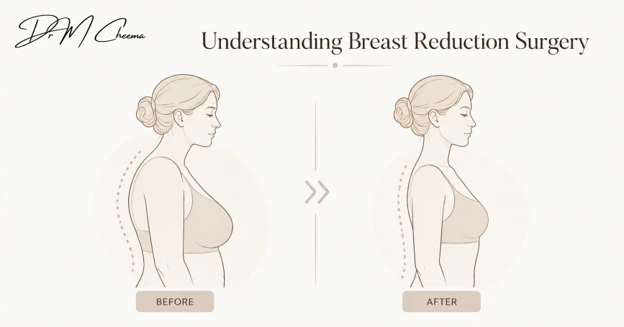
Breast reduction surgery, also known as reduction mammoplasty, is a procedure designed to reduce the size and weight of the breasts by removing excess breast tissue, fat, and skin. The breasts are then reshaped to create a more balanced appearance that is proportionate to the rest of the body. In many cases, the nipples are repositioned to achieve a natural and youthful result.
Although improving breast shape is an important aspect of the procedure, the primary goal for many women is to relieve the physical symptoms caused by excessively large breasts. Heavy breasts can place constant strain on the neck, shoulders, and back, making everyday activities uncomfortable and sometimes painful.
Even simple tasks such as walking long distances, exercising, or finding supportive clothing can become challenging. Breast reduction surgery addresses these concerns while also enhancing overall body proportions.
Why Women Choose Breast Reduction
Every woman’s reason for considering breast reduction is unique, but many share similar concerns. Large breasts can affect daily life in ways that are often underestimated. Persistent pain, restricted movement, skin irritation beneath the breasts, and deep grooves from bra straps are common physical problems. Some women also struggle with poor posture because the additional weight places continuous pressure on the spine and shoulders.
The emotional effects can be equally significant. Feeling self-conscious about breast size, receiving unwanted attention, finding it difficult to wear certain styles of clothing, or avoiding physical activities can all affect confidence and wellbeing. Many women describe breast reduction surgery as a life-changing procedure because it improves both physical comfort and emotional health.
Can You Get Breast Reduction on the NHS?
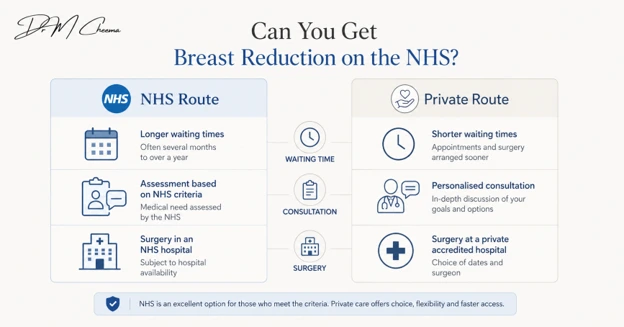
Breast reduction surgery is available through the NHS, but it is not routinely offered to everyone who requests it. Unlike procedures that are considered medically essential, breast reduction is often assessed under strict funding criteria. Whether you qualify depends on your individual circumstances and the policies followed by your local Integrated Care Board.
Your GP will usually assess your symptoms before deciding whether a referral to a specialist is appropriate. Evidence of ongoing physical discomfort is often required before funding is considered. Persistent back, neck, or shoulder pain, recurring skin infections beneath the breasts, shoulder indentations caused by bra straps, and significant limitations in daily activities may support an application for NHS funding. However, meeting some of these criteria does not automatically guarantee approval, as each case is reviewed individually.
Why Some Patients Are Not Eligible for NHS Treatment
Many women who genuinely struggle with the effects of large breasts are disappointed to discover they do not qualify for NHS-funded surgery. In some cases, symptoms may not be considered severe enough to meet local eligibility requirements. Other patients may be advised to try alternative treatments such as physiotherapy, pain management, weight loss, or specialist bras before surgery is considered.
Body Mass Index may also influence eligibility in certain areas, with some NHS organisations requiring patients to reach a specific BMI before funding can be approved. Because these criteria vary across different regions, two patients with similar symptoms may receive different decisions depending on where they live. This uncertainty often encourages women to explore private treatment as an alternative.
Why Choose Private Breast Reduction Surgery?
Private breast reduction offers greater flexibility and allows patients to make decisions based on their individual needs rather than funding criteria. Instead of waiting months for assessments and approvals, patients can arrange a consultation with an experienced consultant plastic surgeon and receive a personalised treatment plan without unnecessary delays.
Private treatment also gives you the opportunity to choose your surgeon and discuss your goals in detail. Every patient has different expectations, and a tailored surgical plan ensures the procedure is designed around your body shape, lifestyle, and desired outcome. This personalised approach allows for open communication, detailed planning, and continuity of care throughout your treatment journey.
Benefits of a Personalised Consultation
A private consultation is much more than an opportunity to discuss surgery. It is a chance to understand your options, ask questions, and receive professional advice based on your individual circumstances. During your appointment, your surgeon will review your medical history, examine your breasts, assess skin quality, discuss your desired breast size, and explain the surgical techniques that may be most appropriate for you.
The consultation also provides realistic expectations regarding recovery, scarring, possible risks, and long-term results. By taking the time to understand your goals, your surgeon can recommend a treatment plan that prioritises both safety and natural-looking outcomes. Many patients leave their consultation feeling more informed and confident about their decision.
Faster Access to Treatment
One of the most significant advantages of choosing private breast reduction surgery is the reduced waiting time. NHS waiting lists can vary considerably depending on local demand and funding decisions, meaning some patients wait many months before surgery can be scheduled. During this time, symptoms such as pain, discomfort, and restricted mobility often continue to affect daily life.
Private treatment offers a more efficient pathway. Consultations are usually available within a much shorter timeframe, allowing patients to proceed with surgery once they have completed their assessment and are medically suitable. This flexibility enables women to choose surgery at a time that best fits their work, family commitments, and personal circumstances.
Start Your Breast Reduction Journey
During your appointment, Dr. Cheema will assess your individual needs, explain the procedure in detail, answer any questions you may have, and create a treatment plan designed to help you achieve comfortable, natural-looking results.
What to Expect During Recovery
Recovering from breast reduction surgery is a gradual process, and every patient heals at a slightly different pace. Following the procedure, it is normal to experience swelling, bruising, and mild discomfort for the first few weeks. Your surgeon will provide pain relief and detailed aftercare instructions to help you recover as comfortably as possible. Wearing a supportive surgical bra is usually recommended to reduce swelling, support the healing tissues, and help maintain the new breast shape.
Most patients are encouraged to walk gently within a day or two after surgery to promote healthy circulation, but strenuous exercise and heavy lifting should be avoided until advised otherwise. Many women feel well enough to return to office-based work within two to three weeks, although those with physically demanding jobs may require a longer recovery period. Attending all follow-up appointments is important, as these allow your surgeon to monitor your healing and ensure that your recovery is progressing as expected.
Are You a Suitable Candidate for Breast Reduction?
Breast reduction surgery may be suitable for women whose large breasts cause physical discomfort, interfere with everyday activities, or affect their confidence and wellbeing. The best candidates are generally in good overall health, have realistic expectations, and understand both the benefits and the potential risks associated with surgery. Women who have experienced long-term back pain, neck pain, shoulder discomfort, skin irritation, or difficulty exercising often find that breast reduction significantly improves their quality of life.
During your consultation, your surgeon will discuss your medical history, lifestyle, and treatment goals before recommending whether breast reduction is appropriate for you. Factors such as future pregnancy plans, smoking, existing medical conditions, and overall breast health will also be considered to ensure that the procedure can be performed safely and effectively.
Understanding the Risks
As with any surgical procedure, breast reduction carries some risks, although serious complications are uncommon when surgery is performed by an experienced consultant plastic surgeon. Possible risks include infection, bleeding, delayed wound healing, temporary or permanent changes in nipple sensation, asymmetry, scarring, and reactions to anaesthesia. Every patient heals differently, and individual outcomes can vary depending on factors such as skin quality, general health, and adherence to post-operative instructions.
A thorough consultation is essential because it allows your surgeon to explain these risks clearly while outlining the steps taken to minimise them. Following all aftercare advice, attending follow-up appointments, and maintaining a healthy lifestyle during recovery all contribute to achieving the best possible outcome.
Long Term Benefits of Breast Reduction
Many women describe breast reduction surgery as one of the best decisions they have ever made. Once the initial swelling has settled and healing is complete, patients often experience a noticeable improvement in both physical comfort and self-confidence. Activities that were previously uncomfortable, such as running, exercising, or even standing for long periods, may become much easier.
Patients also report improvements in posture, better-fitting clothing, reduced shoulder strain, and greater freedom when choosing bras and swimwear. For many women, the emotional benefits are just as significant as the physical improvements, with increased confidence having a positive impact on both social and professional life. Although the breasts will continue to age naturally over time, maintaining a stable weight and healthy lifestyle can help preserve the results for many years.
NHS or Private Breast Reduction: Which Is Right for You?
Choosing between NHS and private breast reduction depends on your personal circumstances, symptoms, and priorities. If you meet the strict NHS funding criteria and are comfortable waiting for treatment, NHS surgery may be an appropriate option. However, many women find that they do not qualify despite experiencing genuine discomfort, or they prefer not to wait for extended periods before receiving treatment.
Private breast reduction offers greater flexibility, shorter waiting times, and a more personalised experience from consultation through to recovery. It also allows you to choose an experienced consultant plastic surgeon who will develop an individual treatment plan based on your anatomy, expectations, and lifestyle. For patients who value continuity of care and timely treatment, private surgery is often the preferred choice.
Take the First Step Towards Greater Comfort
A personalised assessment allows you to discuss your concerns, understand the procedure in detail, and receive expert advice tailored specifically to your needs. Dr. Cheema is committed to providing honest guidance, individualised treatment planning, and high standards of patient care to help you make an informed decision about your surgery.
Arrange Your Personal Consultation
If you are considering breast reduction surgery and would like expert advice tailored to your individual needs, booking a consultation is the best place to start. Dr. Cheema will take the time to understand your concerns, explain your treatment options, and create a personalised surgical plan designed to help you achieve greater comfort, improved confidence, and natural-looking results. Taking the first step today could be the beginning of a more comfortable and confident future.
Frequently Asked Questions
How long does breast reduction surgery take?
Most breast reduction procedures take between two and four hours, depending on the complexity of the surgery and the amount of tissue being removed.
Will breast reduction leave scars?
Yes. Scars are an unavoidable part of breast reduction surgery, but they usually fade over time and become much less noticeable as they mature.
Can I breastfeed after breast reduction?
Some women can breastfeed after surgery, while others may experience reduced milk production. This should be discussed with your surgeon if you plan to have children in the future.
How soon can I exercise after surgery?
Gentle walking is encouraged during the early stages of recovery, but strenuous exercise should usually be avoided for several weeks. Your surgeon will advise you when it is safe to resume your normal activities.
How long do the results last?
The results of breast reduction surgery are generally long lasting. Maintaining a stable weight and healthy lifestyle can help preserve your outcome for many years.