Breast enhancement has evolved significantly over the past few decades, moving beyond traditional implants to include more natural alternatives. One of the most innovative techniques in modern cosmetic surgery is fat transfer breast augmentation. This procedure allows women to enhance the size and shape of their breasts using their own body fat, providing a natural-looking, soft, and personalized result.
At Mr. Cheema’s Birmingham clinic, we specialize in modern breast enhancement procedures, including fat transfer, ensuring patients achieve results that are safe, natural, and tailored to their body type and aesthetic goals.
This guide explores the benefits, procedure, recovery, and considerations of fat transfer for breast enhancement.
What Is Fat Transfer Breast Augmentation?
Fat transfer breast augmentation, also known as autologous fat grafting, is a revolutionary approach to breast enhancement that allows women to increase breast volume, improve shape, and correct asymmetry using their own body fat. Unlike traditional breast implants, which involve silicone or saline devices, fat transfer relies entirely on your body’s natural tissue, providing a softer, more natural feel and appearance. This technique is ideal for patients seeking subtle enhancement without the use of synthetic materials.
By using your own fat, the procedure also offers a dual benefit: improving the contour of donor areas, such as the abdomen, thighs, or flanks, while simultaneously enhancing the breasts. This makes fat transfer a highly personalized and minimally invasive option for modern breast augmentation.
How the Procedure Works?
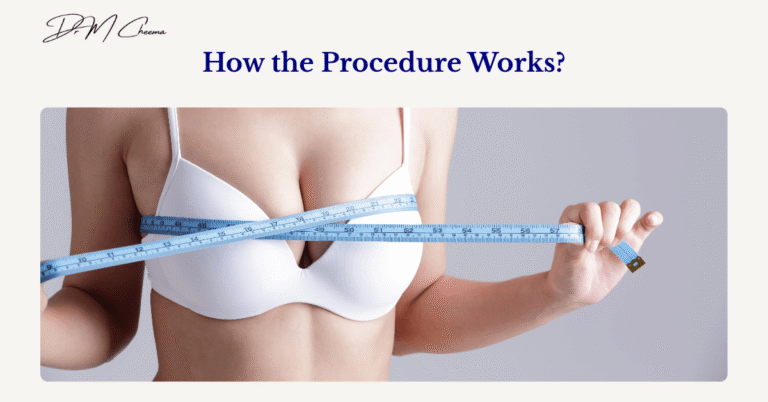
Fat transfer breast augmentation is a multi-step process designed to ensure maximum fat survival and optimal aesthetic results.
Fat Harvesting
The first step involves removing excess fat from donor areas such as the abdomen, thighs, hips, or flanks. A gentle liposuction technique is used to carefully extract fat cells while minimizing trauma to surrounding tissues. This ensures that the harvested fat is healthy and viable for transfer. Many patients appreciate this step because it simultaneously sculpts the donor area, enhancing overall body contour.
Purification
Once the fat is harvested, it undergoes a purification process to separate healthy, viable fat cells from fluids, oils, and damaged cells. This step is critical to ensure that only the highest quality fat is used for injection, improving fat survival and long-term results. Purified fat also reduces the risk of complications and ensures a smooth, natural breast contour.
Strategic Fat Injection
The purified fat is then carefully injected into the breasts using fine cannulas. The surgeon deposits fat in small layers and multiple planes to create a smooth, even contour. This technique allows the fat to integrate naturally with existing breast tissue, enhancing volume, correcting asymmetry, and improving the overall shape of the breasts. The gradual layering also helps the fat survive, ensuring long-lasting results.
The result is enhanced breast shape, subtle volume increase, and improved symmetry, all without the use of synthetic implants.
Benefits of Fat Transfer Breast Enhancement
Fat transfer breast augmentation has emerged as a modern and natural alternative to traditional breast implants. By using your own body fat, this technique offers a range of benefits that appeal to women seeking subtle, safe, and customized breast enhancement.
Natural Look and Feel
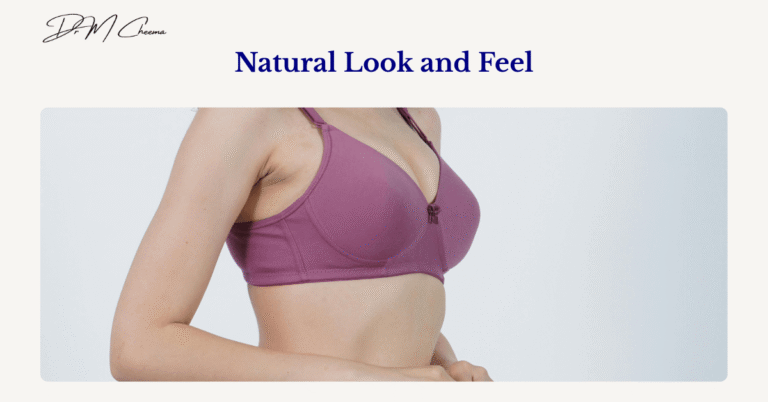
One of the most significant advantages of fat transfer is that the breasts look and feel soft and natural. Unlike implants, which may sometimes appear overly round or firm, fat integrates seamlessly with existing breast tissue, creating a gentle slope, natural contours, and a realistic touch. Patients often appreciate that the results are indistinguishable from natural breast tissue, giving them a confidence boost without the artificial appearance.
Dual Body Contouring Benefit
Fat transfer offers a dual aesthetic benefit. The fat used for breast enhancement is harvested from areas such as the abdomen, thighs, or flanks. This liposuction not only provides the material needed for breast augmentation but also slims and sculpts the donor areas, resulting in a more balanced and proportionate body contour. Many patients enjoy the combined effect of enhancing their breasts while improving other areas of their body.
Minimally Invasive Procedure
Unlike traditional breast augmentation, fat transfer is minimally invasive. There is no need for large incisions or foreign implants, which means smaller scars, reduced trauma to breast tissue, and a lower risk of complications. The procedure is often performed under local anaesthesia with sedation or general anaesthesia, depending on the extent of the liposuction, ensuring a comfortable surgical experience.
Reduced Risk of Complications
Using your own tissue significantly reduces the risk of implant-related complications. Issues such as implant rupture, capsular contracture, or allergic reactions are virtually eliminated because the body naturally accepts its own fat. Additionally, fat transfer avoids problems associated with long-term implant maintenance, making it a safer option for many patients.
Customizable and Targeted Results
Fat transfer allows for precise customization. Surgeons can strategically inject fat to enhance specific areas, correct minor asymmetry, and refine breast shape. Whether a patient desires a subtle increase in size, improved upper pole fullness, or more even contours, fat transfer provides the flexibility to achieve tailored results.
Long-Lasting and Natural Enhancement
While some reabsorption of fat can occur, most of the transferred fat survives, resulting in permanent, long-lasting breast enhancement. Maintaining a stable weight helps ensure these results endure, giving patients a natural, youthful appearance for years to come.
Transform Your Body with Dual Benefits
Not only can fat transfer enhance your breasts, but it also contours donor areas like the abdomen, thighs, or flanks. Take the next step in your transformation with Mr. Cheema today.
Who Is an Ideal Candidate?
Fat transfer breast augmentation is a highly personalized procedure that works best for women who are seeking subtle, natural enhancement rather than a dramatic increase in breast size. Ideal candidates typically:
- Desire a modest increase in breast volume: Fat transfer is perfect for those looking to enhance their shape, improve symmetry, or achieve a gentle lift without adding excessive size.
- Prefer a natural look and feel: Using your own body fat ensures the breasts look and feel soft, realistic, and harmonious with your overall body proportions.
- Have sufficient donor fat: Patients need enough body fat in areas such as the abdomen, thighs, or flanks to harvest for transfer. This also provides the benefit of contouring donor areas while enhancing the breasts.
- Are in good overall health: A healthy lifestyle supports optimal healing and fat survival, reducing risks and improving long-term outcomes.
It is important to note that patients with very low body fat or those seeking a significant increase in breast size may not achieve their goals with fat transfer alone. In such cases, alternative or combined procedures, such as implants with fat grafting, may be recommended.
Fat Transfer vs. Traditional Breast Implants
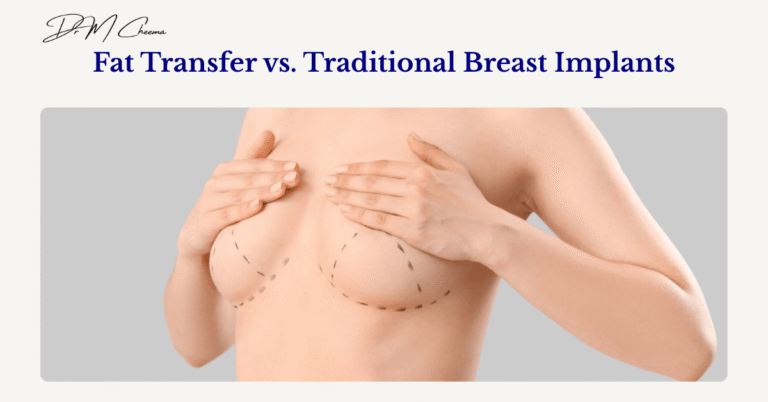
While traditional implants are ideal for women seeking substantial volume or more dramatic changes, fat transfer offers a more natural enhancement with fewer foreign materials. Key differences include:
Feature | Fat Transfer | Traditional Implants |
Material | Own body fat | Silicone or saline implants |
Appearance | Soft, natural | Can be round or projected |
Invasiveness | Minimally invasive | Requires larger incisions |
Risk of complications | Lower implant-specific risks | Rupture, capsular contracture, or displacement |
Recovery | Faster, less discomfort | Slightly longer recovery |
Recovery and Aftercare
Recovery after fat transfer breast augmentation is generally quick and comfortable:
- Mild swelling, bruising, and tenderness may occur in both donor and breast areas.
- Most patients can resume light activities within 1–2 weeks.
- Fat cells that do not survive the transfer may be naturally reabsorbed, but touch-ups can be performed if necessary after healing.
- Wearing a supportive bra and following post-operative instructions ensures optimal results and healing.
At Mr. Cheema’s clinic, patients receive detailed guidance and support throughout recovery to ensure safety and the best possible outcome.
Considerations and Limitations
While fat transfer breast enhancement has many benefits, there are some important considerations:
- Size Limitations: Fat transfer is best suited for small to moderate volume increases; very large augmentations may require implants.
- Fat Resorption: Some of the transferred fat may be reabsorbed over time, potentially requiring additional procedures for optimal results.
- Donor Fat Requirements: Sufficient body fat is necessary for harvesting and transfer.
- Long-Term Results: Fat survival can vary; maintaining a stable weight helps preserve results.
Why Choose Mr. Cheema in Birmingham?
Choosing the right surgeon is critical for safe, effective, and natural-looking fat transfer results. At Mr. Cheema’s Birmingham clinic:
- He provides personalized consultations to determine if fat transfer is suitable for your body and goals.
- Uses advanced liposuction and fat grafting techniques to maximize fat survival and enhance breast contour.
- Offers comprehensive aftercare guidance to support smooth recovery and long-lasting results.
- Focuses on natural aesthetics, symmetry, and patient satisfaction.
Achieve Natural, Beautiful Breast Enhancement
Fat transfer breast augmentation offers a modern, safe, and natural alternative to traditional implants, allowing women to enhance their breast shape, volume, and symmetry using their own body fat. With benefits such as a soft, natural feel, dual body contouring, and reduced risk of complications, this procedure is ideal for those seeking subtle yet transformative results.
At Mr. Cheema’s Birmingham clinic, every fat transfer procedure is customized to the patient’s body type, aesthetic goals, and lifestyle. Through careful consultation, expert technique, and comprehensive post-operative care, patients can enjoy beautiful, long-lasting results that enhance confidence and overall body harmony.
Take the first step toward achieving the natural, proportionate breasts you desire by scheduling a consultation with Mr. Cheema today.
Take the Next Step
Enhance your breast shape naturally and safely with fat transfer breast augmentation at Mr. Cheema’s Birmingham clinic. Book a consultation today to discuss your goals, explore options, and develop a personalized plan for the results you desire.
Frequently Asked Questions
Am I a good candidate for fat transfer breast augmentation?
Fat transfer is ideal for women who want a subtle, natural enhancement rather than a dramatic increase in size. You should have enough donor fat in areas like the abdomen, thighs, or flanks for the procedure. During a consultation, Mr. Cheema will evaluate your body type, breast tissue, and goals to determine if fat transfer will give you the best results.
How much bigger will my breasts get?
Fat transfer typically provides a modest increase in breast size, usually around 1–2 cup sizes. The final volume depends on the amount of fat harvested and the breast tissue’s ability to retain the transferred fat. Patients seeking larger increases may need multiple sessions or a combination with implants for optimal results.
Will the results last long-term?
Most of the transferred fat survives permanently. However, some fat may naturally be reabsorbed in the months following surgery. Maintaining a stable weight and following post-operative care instructions can help preserve results. If needed, Mr. Cheema can perform touch-up procedures to refine shape and volume.
What is recovery like?
Recovery is generally quicker and less invasive than traditional breast augmentation. Patients may experience mild swelling, bruising, and tenderness in both the donor and breast areas. Most people can resume light activities within 1–2 weeks, while more strenuous exercise should wait until cleared by Mr. Cheema. Wearing a supportive surgical bra and following aftercare instructions is key to optimal results.
Are there risks or complications?
Fat transfer is considered safe, especially when performed by an experienced surgeon. Potential issues include minor asymmetry, fat reabsorption, or lumps at the injection site. Choosing a qualified surgeon like Mr. Cheema and adhering to post-operative guidance significantly reduces these risks and helps ensure long-lasting, natural results.